Post by cebudentalimplants (@cebudentalimplants)
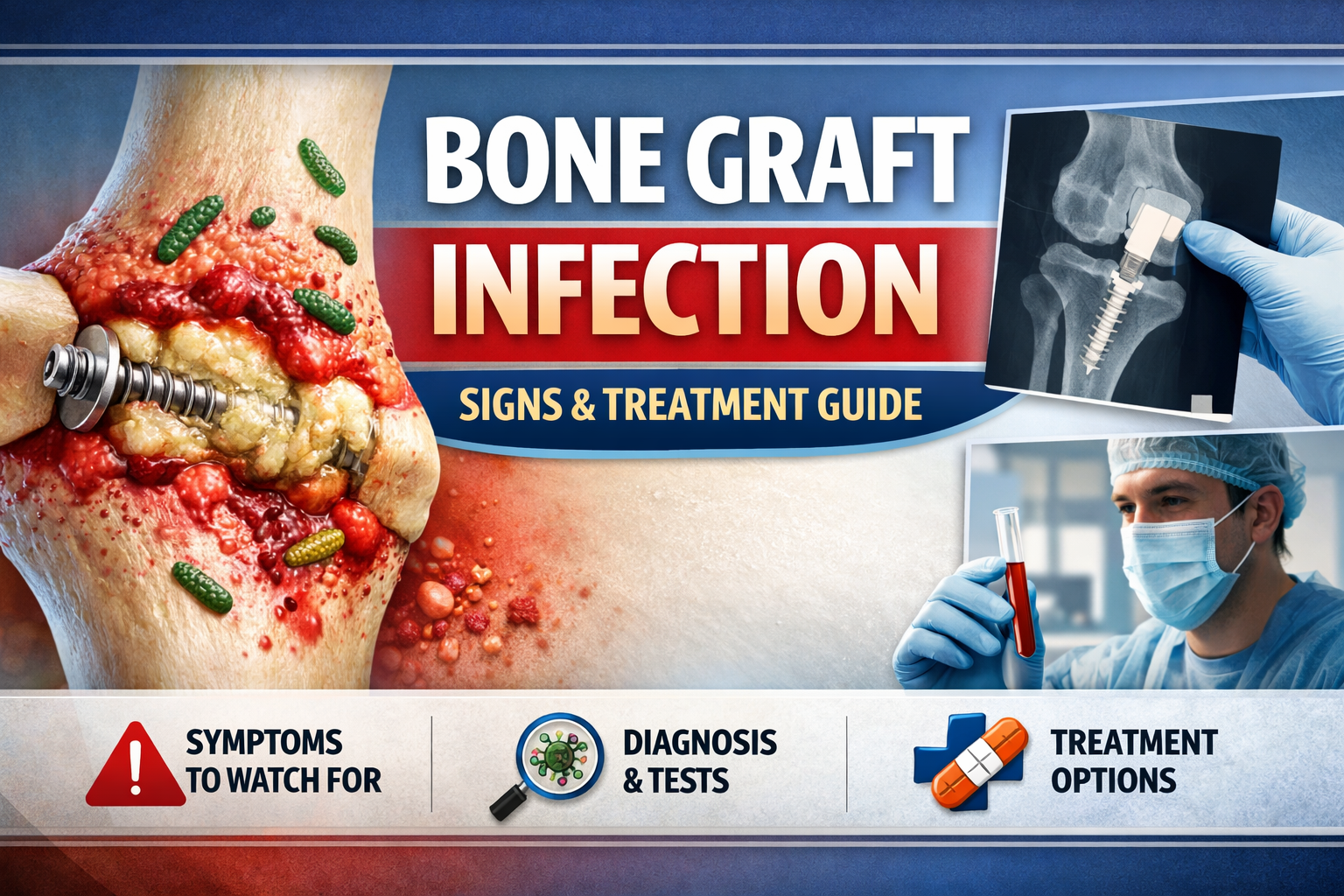
Language : EnglishTopics: Bone graftBone infection (osteomyelitis)Bone Graft Infection: Signs, Treatment & When to Panic
Dental bone grafting has a high success rate (around 90–95%), but infection remains one of the main complications patients fear.
Many patients panic when they feel increasing pain, swelling, or notice that their teeth seem to get worse day by day after surgery.
The key question is:
Is this normal healing — or a real infection?
What Is a Bone Graft Infection?
A bone graft infection happens when bacteria contaminate the surgical site before the graft fully integrates with your natural bone.
This can occur due to:
Poor oral hygiene
Smoking
Uncontrolled diabetes
Early chewing on the surgical site
Inadequate sterilization
Pre-existing hidden infection
Early detection is critical.
Normal Healing vs Infection: Know the Difference
Normal Post-Surgery Symptoms (First 3–5 Days)
Mild to moderate swelling
Slight bleeding
Bruising
Pressure sensation
Controlled pain with medication
These symptoms usually improve gradually.
Warning Signs of Bone Graft Infection
If symptoms are worsening instead of improving, pay attention to:
Increasing pain after day 4–5
Throbbing pain not relieved by medication
Swelling that becomes larger
Pus discharge
Foul taste in the mouth
Fever
Bad odor
Gum turning very red or dark
If teeth around the graft feel loose or painful day by day, it may indicate bone or tissue involvement.
This is when you should not ignore symptoms.
Why Patients Panic
Pain can feel intense because:
The jawbone has strong nerve supply
Inflammation increases internal pressure
Swelling stretches soft tissue
However, panic without evaluation may lead to unnecessary stress.
Professional examination is required before assuming failure.
What To Do If You Suspect Infection
Step 1: Contact Your Dentist Immediately
Do not self-medicate with random antibiotics.
Step 2: Clinical Examination
Dentist should check:
Surgical site condition
Gum color
Stability of graft
Signs of pus
Step 3: Radiographic or CBCT Scan
A scan may be required to evaluate:
Bone integration
Hidden abscess
Sinus involvement
Step 4: Treatment Options
Depending on severity:
Antibiotics (if early-stage infection)
Surgical cleaning (debridement)
Removal of infected graft material
Delayed re-grafting after healing
Early treatment saves the graft in many cases.
When Should You Truly Panic?
You should seek urgent care if:
Fever exceeds 38°C
Severe facial swelling
Difficulty swallowing
Difficulty breathing
Persistent bleeding
Severe spreading pain
These are emergency symptoms.
Most bone graft infections are manageable if treated early.
Risk Factors That Increase Infection
Smoking
Poor oral hygiene
Not completing antibiotic course
Touching the wound frequently
Eating hard food too early
Weak immune system
Following post-operative instructions strictly reduces risk significantly.
Can an Infected Bone Graft Be Saved?
Yes — in early stages.
If treated quickly:
Antibiotics can control bacterial growth
Surgical cleaning can preserve bone
Implant placement can still proceed after healing
Delayed treatment increases risk of full graft failure.
Professional Advice for Patients
Do not ignore worsening pain
Do not assume every swelling is infection
Avoid Google-based self-diagnosis
Always return to your treating clinic first
Get a second opinion if symptoms persist
Calm evaluation is better than panic reaction.
Where to Seek Professional Evaluation in Cebu
If you are in Cebu and experiencing concerning symptoms after bone graft surgery, consult an experienced implant-focused clinic for proper assessment.
You may visit:
MAP Dental Clinic
Website: https://cebudentalimplants.com/map-dental-clinic
They provide:
Implant and bone graft evaluation
CBCT-based assessment
Infection management
Implant planning consultation
Early diagnosis can prevent more serious complications.
Final Thoughts
Bone graft infection is uncommon but possible.
Most swelling and pain after surgery are part of normal healing — but worsening symptoms require professional evaluation.
The difference between a manageable complication and total graft failure often depends on how quickly you act.
If pain is increasing day by day, do not panic — but do not delay consultation either.
Your jawbone health is an investment. Protect it with timely care.
Looking for dentist : Visit directory list
Source: https://cebudentalimplants.com/bone-graft-infection-signs-treatment-cebu
0 likes · 0 comments · 0 shares