Post by cebudentalimplants (@cebudentalimplants)
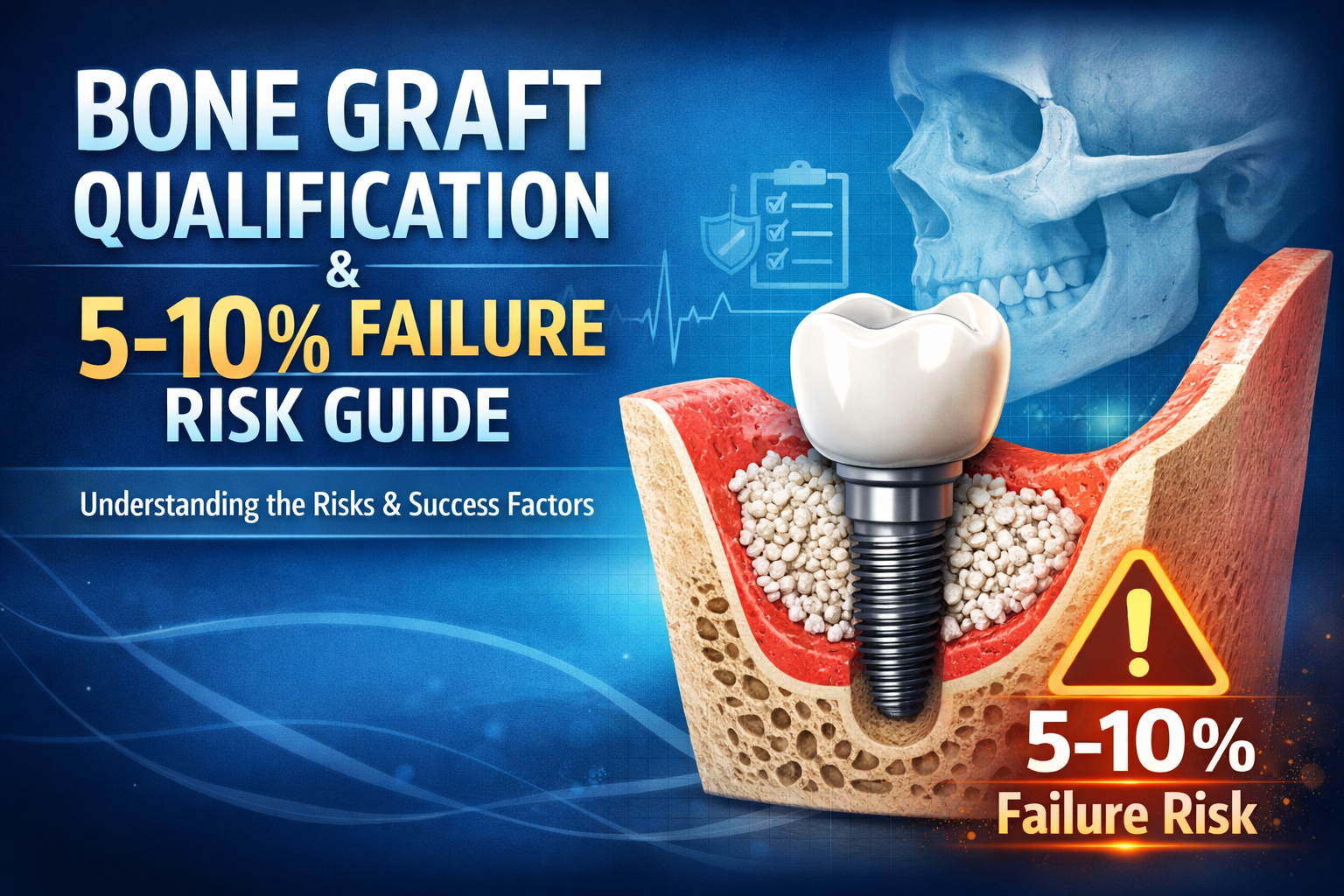
Language : EnglishTopics: Bone graftBone infection (osteomyelitis)Dental bone grafting is a predictable procedure with a 90–95% success rate worldwide. However, studies consistently show a 5–10% failure rate — even when performed correctly.
One critical reason?
Not all patients are medically qualified for bone graft surgery.
Proper screening before surgery significantly reduces complications, implant failure, and legal disputes.
Bone grafting rebuilds jawbone volume before placing dental implants. It may involve:
Autograft (patient’s own bone)
Allograft (donor bone)
Xenograft (animal-derived bone)
Synthetic biomaterials
Healing typically takes 4–6 months, depending on bone quality and patient health.
But qualification is not automatic.
Not All Patients Are Qualified for Bone Grafting
Before surgery, a professional implant dentist must evaluate both local bone condition and systemic health status.
Below are major qualification factors.
1. Systemic Health Conditions
Certain medical conditions increase failure risk.
High-Risk Conditions:
Uncontrolled diabetes
Autoimmune disorders
Osteoporosis (especially with bisphosphonate use)
Cancer patients undergoing chemotherapy
Severe cardiovascular disease
Immune suppression
If these conditions are unstable, the graft may not integrate properly.
Controlled medical conditions may still qualify — but require physician clearance.
2. Smoking Status
Heavy smokers have significantly higher graft failure rates.
Why?
Reduced blood supply
Slower healing
Higher infection risk
Increased graft resorption
Many implant specialists recommend stopping smoking at least 2–4 weeks before and after surgery.
3. Bone Quality & Volume (CBCT Evaluation Required)
A 3D CBCT scan is critical to evaluate:
Bone density
Vertical and horizontal bone height
Sinus proximity
Nerve location
Infection presence
If bone condition is extremely compromised, advanced techniques may be required — or the patient may not be an ideal candidate.
4. Oral Hygiene & Infection Control
Active infection must be treated before grafting.
Untreated periodontal disease
Root infection
Poor oral hygiene
Heavy plaque accumulation
These increase failure risk significantly.
5. Patient Compliance
Post-operative care determines success:
Taking prescribed antibiotics
Avoiding chewing on surgical site
Following dietary restrictions
Attending follow-up visits
Non-compliance increases complication risk — and shifts responsibility away from the dentist.
Why Is There Still 5–10% Failure Even With Screening?
Even with ideal planning, failure can occur due to:
Biological variability
Graft resorption
Unexpected immune response
Minor contamination
Surgical trauma
Medicine is not 100% predictable.
The 5–10% failure rate does not automatically mean malpractice — but poor screening increases that percentage significantly.
Case Study Analysis Insight
Review of implant case studies shows:
Properly screened patients: failure rate closer to 5%
Poorly screened patients: failure rate can exceed 15%
Smokers + uncontrolled diabetes: highest complication group
Clinics without CBCT planning: increased implant instability
Screening quality directly affects outcomes.
Professional Advice Before Having a Bone Graft
Ask These Questions:
Do I need a CBCT scan before grafting?
Is my medical condition stable enough?
What graft material will be used?
What is the expected healing period?
What are my personal risk factors?
Transparency reduces complication risk.
Advice for Patients
Disclose full medical history
Control blood sugar before surgery
Stop smoking if possible
Follow post-op instructions strictly
Choose experienced implant surgeons
Health preparation protects your investment.
Advice for Dental Clinics
Always require medical history documentation
Obtain physician clearance when necessary
Use certified biomaterials
Document informed consent
Avoid rushing implant placement
Pre-surgical qualification protects both patient and practice.
Final Conclusion
Bone grafting is highly successful — but not everyone is automatically qualified.
The global 5–10% failure rate often reflects biological limits and patient health factors, not just surgical skill.
Careful screening, honest communication, and strict protocol significantly reduce risk.
Before proceeding, qualification assessment is not optional — it is essential.
Looking for dentist : Visit directory list
Source: https://cebudentalimplants.com/bone-graft-health-qualification-failure-risk
0 likes · 0 comments · 0 shares