Post by cebudentalimplants (@cebudentalimplants)
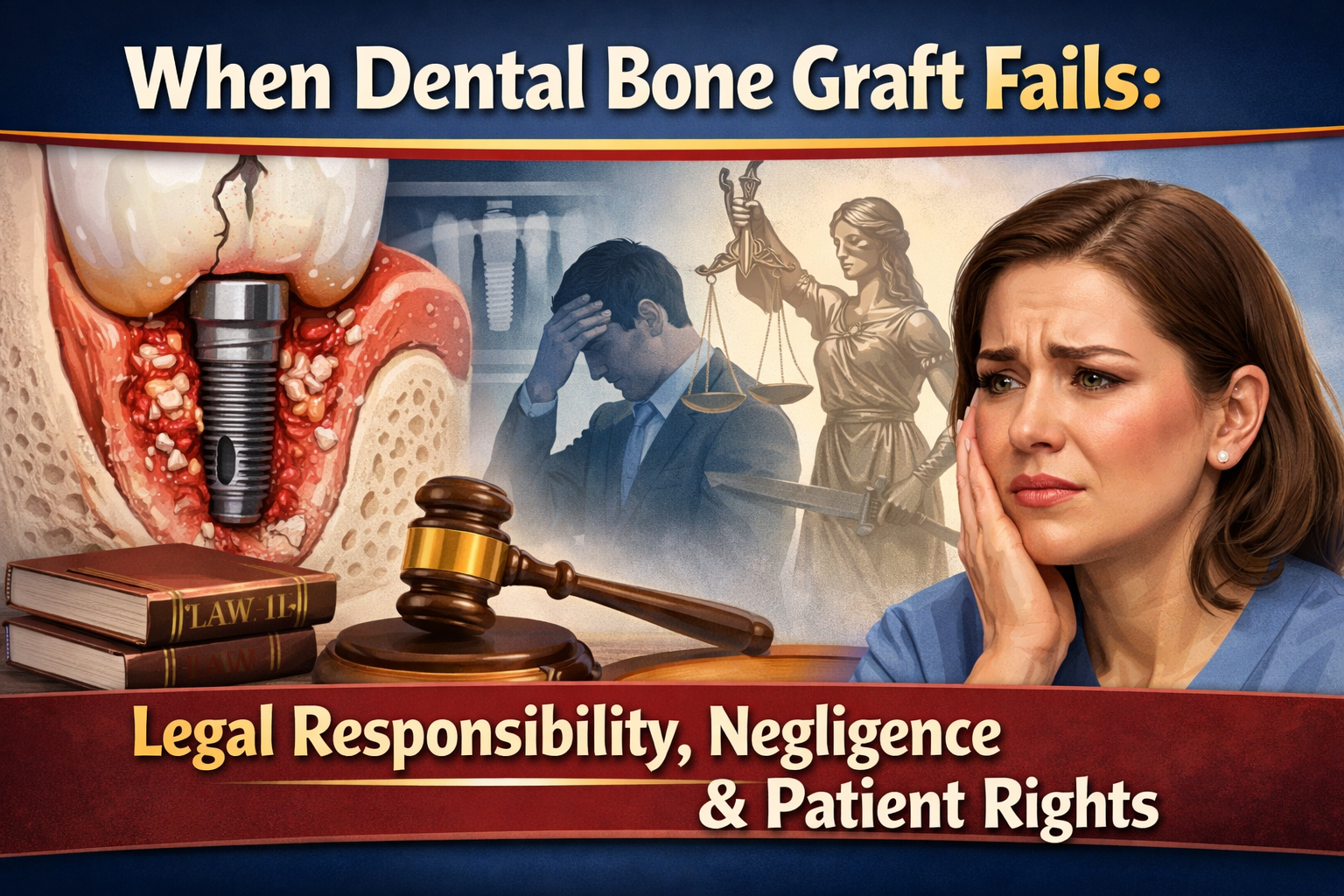
Language : EnglishTopics: Bone graftWhen a Dental Bone Graft Fails: What Really Happens and Who Is Responsible?
Bone grafting is a critical step before placing dental implants. When done correctly, it creates a strong foundation for long-term implant success. But when planning, materials, or execution fail — the consequences can be serious.
This article explains what happens when a dentist practice fails in bone grafting, the difficult realities patients must confront, and whether damages can be claimed if unprofessional practice or substandard materials are proven.
What Is Dental Bone Grafting?
Bone grafting is a surgical procedure that rebuilds jawbone volume before placing dental implants. It may use:
Autograft (patient’s own bone)
Allograft (human donor bone)
Xenograft (animal source, usually bovine)
Synthetic bone substitute
When properly planned with CBCT scans and sterile protocols, success rates are high. However, failures still occur.
What Happens When a Bone Graft Fails?
A failed bone graft can lead to:
1. Infection
Swelling
Persistent pain
Pus discharge
Fever in severe cases
2. Graft Rejection or Resorption
The body does not integrate the graft
Bone dissolves before implant placement
Implant becomes unstable
3. Implant Failure After Grafting
Implant mobility
Bone loss around implant
Chronic inflammation
4. Financial and Emotional Stress
Additional surgery required
Extended healing time (6–12 more months)
Loss of confidence in the dentist
Increased total treatment cost
For many patients, the hardest part is not just physical pain — it is confronting that the procedure may have been poorly planned.
Why Do Bone Grafts Fail?
Not all failures mean malpractice. Some risk factors include:
Patient-Related Factors
Smoking
Uncontrolled diabetes
Poor oral hygiene
Severe bone deficiency
Dentist-Related Factors
Poor case assessment (no CBCT evaluation)
Incorrect graft material selection
Inadequate sterilization
Poor surgical technique
No membrane protection
Rushing implant placement before full integration
Equipment & Material Issues
Low-quality graft substitutes
Expired biomaterials
Non-certified implant systems
Inadequate surgical instruments
This is where difficult questions arise.
Hard Reality: When Professional Negligence Is Involved
If investigation proves that:
The dentist failed to properly diagnose bone condition
Substandard or counterfeit materials were used
The clinic lacked proper sterile protocol
There was no informed consent explaining risks
Then the issue may go beyond “treatment complication” — it could be considered professional negligence.
Can the Dentist Be Liable for Damages?
The answer depends on evidence and local laws.
You may have grounds for compensation if:
A second qualified specialist confirms improper treatment
Clinical records show deviation from accepted standards
Materials used are proven substandard or counterfeit
There is documented harm caused by negligence
Possible compensation may include:
Refund of procedure cost
Coverage of corrective surgery
Damages for pain and suffering (depending on jurisdiction)
However, proving malpractice requires:
Complete dental records
X-rays and CBCT scans
Material invoices and implant system documentation
Expert opinion from another licensed implant specialist
Without documentation, legal claims become difficult.
In the Philippines: What Patients Should Know
In the Philippines, medical and dental malpractice cases are handled under civil law. Patients may:
File a complaint with the Professional Regulation Commission (PRC)
Pursue civil damages
Seek mediation before litigation
However, legal action is often lengthy and costly. Many cases are resolved through settlement.
Important Advice Before Considering Legal Action
Step 1: Get an Independent Assessment
Consult a reputable implant specialist not connected to the original clinic.
Step 2: Request Full Records
Ask for:
Treatment plan
Consent forms
Material brand and batch number
X-rays before and after procedure
Step 3: Evaluate Corrective Options
Sometimes retreatment by a more experienced surgeon is better than litigation.
Step 4: Consult a Lawyer If Necessary
Only if clear negligence is documented.
Prevention Is Always Better Than Confrontation
To avoid these issues:
Always request CBCT evaluation before grafting
Ask what graft material brand is being used
Verify implant system certification
Choose a clinic with proper surgical setup
Do not decide based on price alone
Cheapest treatment can become the most expensive if failure occurs.
Final Thoughts
Bone graft failure is emotionally and financially exhausting. Some failures are unavoidable biological risks. But if unprofessional practice or substandard materials are involved, patients have the right to question, investigate, and seek accountability.
The key is documentation, expert evaluation, and calm decision-making.
Health is wealth — and proper planning protects both your jawbone and your finances.
Looking for dentist : Visit directory list
Source: https://cebudentalimplants.com/dental-bone-graft-failure-negligence-damages-guide
0 likes · 0 comments · 0 shares