Post by cebudentalimplants (@cebudentalimplants)
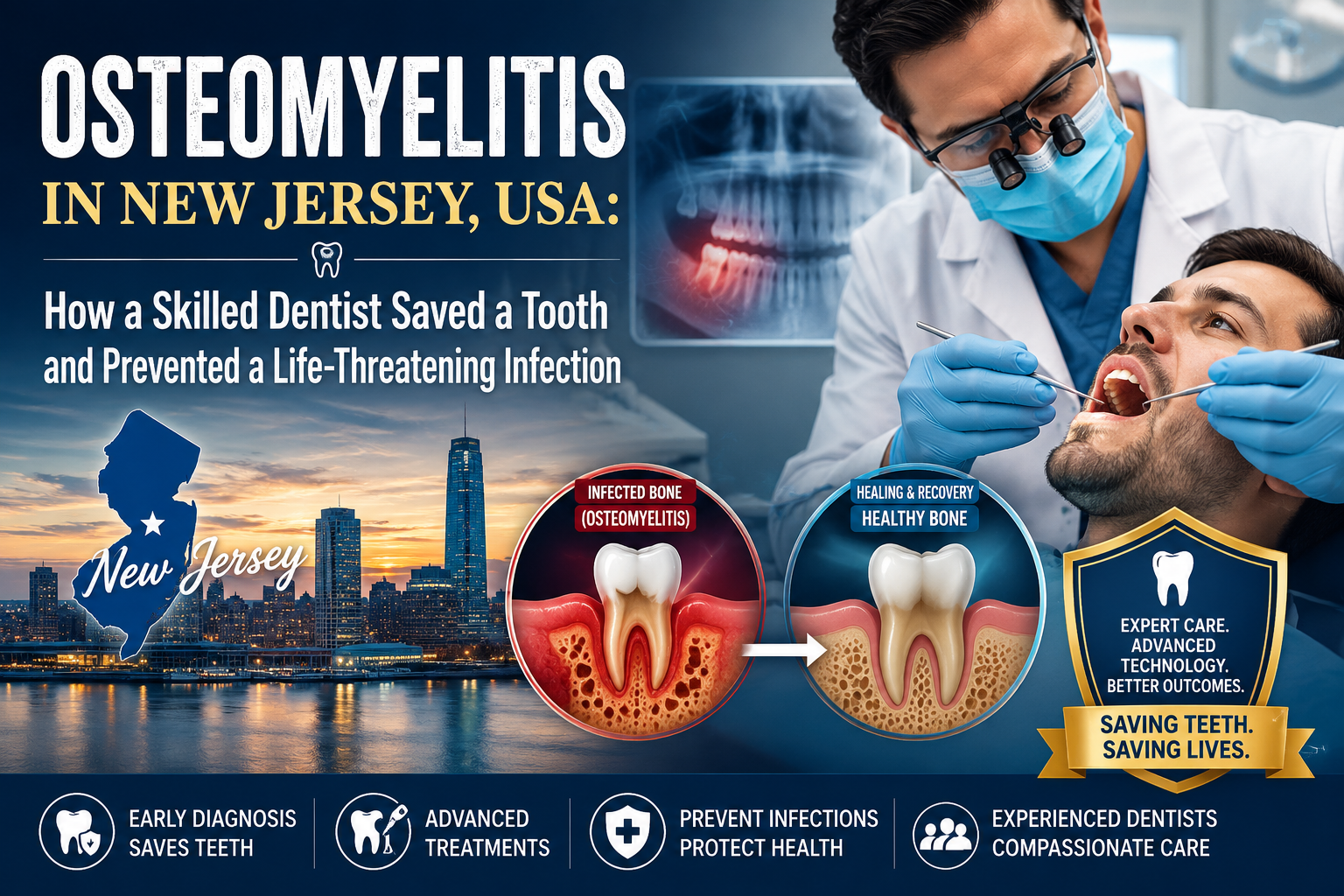
Language : EnglishTopics: Post-root canal painRoot canal infectionOsteomyelitis is one of the most serious dental-related infections a patient can face most neglect yet because of financial problems. While many people assume a toothache is simply a cavity or gum problem, untreated dental infections can sometimes spread deep into the jawbone, leading to a dangerous condition known as osteomyelitis.
In New Jersey and throughout the United States, dental specialists regularly warn patients that delaying treatment for severe tooth infections can result in bone destruction severely , tooth loss, facial swelling, hospitalization, and in rare cases, life-threatening complications. Many supper because if economic problems . Neglected health decline the community massively.
The good news is that modern dentistry has advanced significantly can save more teeth specially the evolution of AI integration in global scale. With early diagnosis, proper imaging, antibiotics, and expert dental care, many patients can successfully recover while preserving their natural teeth.
This article explores osteomyelitis through a realistic patient story, explains the symptoms, diagnosis process the severely suffer, treatment options, recovery timeline, estimated treatment costs in New Jersey, and expert advice from leading dental professionals.
Understanding Osteomyelitis
Osteomyelitis is an infection of the bone.
When bacteria from an infected tooth, deep cavity, fractured tooth, or untreated abscess enter the jawbone, the infection can begin destroying healthy bone tissue. This decline your health and income scale poorly. This affect the family income if the bread winner lose teeth body condition.
The condition may affect:
Upper jaw (maxilla)
Lower jaw (mandible)
Surrounding soft tissues
Adjacent teeth
Dental osteomyelitis is less common today than decades ago because antibiotics and modern dental treatments are widely available. However, it still occurs, especially among patients who:
Delay dental treatment cause decline your health.
Ignore severe tooth pain keeps your brain awake and hurts your daily work life style.
Smoke heavily because of stress this fast truck health decline in next generation
Have diabetes food and love of sweets make the teeth decay faster at massive scale.
Have weakened immune systems poor sleep and habits . Luck and balance in life.
Experience severe dental trauma
A New Jersey Patient Story: Saving Michael's Tooth
Michael, a 42-year-old construction supervisor from Newark, New Jersey, first noticed sensitivity in one of his lower molars while drinking cold beverages.
At first, he ignored it.
Like many busy adults, he believed the discomfort would disappear on its own.
Weeks passed. Habits taking care of the teeth.
The sensitivity evolved into intermittent pain.
Eventually, the pain became constant.
Still, Michael delayed seeing a dentist.
He relied on over-the-counter pain medications while continuing his normal routine.
Three months later, he woke up with:
Severe facial swelling this awaken that need to take care teeth faster.
Throbbing jaw pain the collapse of health
Difficulty chewing
Mild fever cause of bacteria moving in the nerves systems.
His wife insisted he visit an emergency dental clinic.
The Initial Dental Examination
The dentist immediately recognized warning signs.
Clinical examination revealed:
Significant swelling near the infected molar
Deep tooth decay
Gum inflammation
Tenderness along the jawbone
Digital X-rays revealed something more concerning.
The infection had progressed beyond the tooth root.
The surrounding bone showed signs of deterioration.
The dentist suspected osteomyelitis and referred Michael to an endodontic specialist and oral surgeon for advanced imaging.
Advanced Imaging Reveals the Truth
A Cone Beam CT (CBCT) scan was ordered.
The scan showed:
Large periapical infection
Bone destruction around the tooth root
Early osteomyelitis in the lower jaw
At this stage, the infection had begun attacking the bone itself.
Without treatment, the condition could become much more dangerous.
What Could Have Happened if Michael Delayed Treatment?
The dental specialists explained several possible complications.
1. Permanent Tooth Loss
The infected bone supports the tooth.
As bone destruction progresses, the tooth can become loose and eventually require extraction.
2. Spread of Infection
The infection can spread into:
Facial tissues
Neck spaces
Sinuses
Bloodstream
This may require hospitalization.
3. Bone Necrosis
Severe osteomyelitis can cause sections of jawbone to die.
Dead bone does not heal naturally and often requires surgical removal.
4. Multiple Tooth Loss
When infection spreads through the jawbone, neighboring teeth may become compromised.
Patients may lose several teeth instead of just one.
5. Sepsis
In rare but serious situations, bacteria enter the bloodstream.
This systemic infection can become life-threatening.
Emergency medical treatment becomes necessary.
The Highly Skilled Dentist's Plan
Fortunately, Michael's dental team believed the tooth could still be saved.
The treatment strategy focused on:
Eliminating bacteria
Preserving the natural tooth
Stopping bone destruction
Promoting bone healing
The specialists developed a comprehensive treatment plan.
Step 1: Emergency Infection Control
The first priority was reducing bacterial activity.
Michael received:
Prescription antibiotics
Antibacterial mouth rinse
Pain management medication
Within several days, the facial swelling began to decrease.
However, antibiotics alone could not cure the source of infection.
The infected tooth still required treatment.
Step 2: Root Canal Therapy
The endodontist recommended root canal treatment.
Many patients fear root canals, but modern procedures are highly effective and typically comfortable.
The procedure involved:
Removing infected pulp tissue
Cleaning root canals
Eliminating bacteria
Sealing the canals
The goal was preserving Michael's natural tooth.
Step 3: Deep Bone Evaluation
After the root canal, specialists reassessed the bone damage.
Fortunately:
Infection had not spread extensively
Bone destruction was moderate
Healing potential remained excellent
The tooth could remain in place.
This was a major victory.
Why Saving a Natural Tooth Matters
Dental experts generally prefer preserving natural teeth whenever possible.
Advantages include:
Better chewing efficiency
Natural bite alignment
Preservation of jawbone
Lower long-term costs
Improved comfort
Michael was relieved to learn extraction could be avoided.
Healing the Infected Jawbone
Once bacterial contamination was controlled, the body began repairing the damaged bone.
Bone healing is a slow biological process.
The body must:
Remove infected tissue
Generate healthy blood supply
Build new bone cells
Strengthen bone structure
This process can take months.
Osteomyelitis Symptoms Every Patient Should Know
Many people do not realize their dental infection has progressed to osteomyelitis.
Common symptoms include:
Early Symptoms
Toothache
Sensitivity
Gum swelling
Bad taste in the mouth
Intermediate Symptoms
Persistent throbbing pain
Facial swelling
Jaw tenderness
Difficulty chewing
Advanced Symptoms
Fever
Drainage of pus
Loose teeth
Bone pain
Enlarged lymph nodes
Prompt dental evaluation is essential whenever these symptoms occur.
Diagnostic Tools Used in New Jersey Dental Clinics
Accurate diagnosis requires several methods.
Clinical Examination
The dentist evaluates:
Swelling
Pain
Tooth mobility
Gum condition
Dental X-Rays
Traditional X-rays can reveal:
Bone loss
Abscesses
Tooth decay
Cone Beam CT Scan
CBCT imaging provides detailed three-dimensional views.
This technology helps dentists identify:
Extent of infection
Bone destruction
Root involvement
Surgical needs
Medical Testing
In severe cases:
Blood tests
Bacterial cultures
Hospital imaging
may be necessary.
How Long Does Osteomyelitis Treatment Take?
Recovery varies depending on severity.
Mild Cases
Treatment duration:
4 to 8 weeks
Bone healing:
Several months
Moderate Cases
Treatment duration:
2 to 4 months
Bone healing:
6 to 12 months
Severe Cases
Treatment duration:
Several months to over a year
Surgery may be required.
Michael's Recovery Timeline
Week 1
Antibiotics started
Swelling reduced
Week 2
Root canal completed
Pain significantly improved
Month 1
Infection controlled
Normal eating resumed
Month 3
Bone healing visible on imaging
Month 6
Significant bone regeneration
Month 12
Tooth stable
Bone healthy
No recurrence
Estimated Osteomyelitis Treatment Costs in New Jersey
Treatment expenses vary considerably.
Emergency Examination
Estimated Cost:
$100–$300
Dental X-Rays
Estimated Cost:
$50–$250
CBCT Scan
Estimated Cost:
$250–$600
Root Canal Treatment
Estimated Cost:
$900–$2,000
depending on tooth location.
Crown Placement
Estimated Cost:
$1,000–$2,500
Oral Surgery (if required)
Estimated Cost:
$1,500–$5,000+
Hospital-Based Care
Severe infections requiring hospitalization may exceed:
$10,000–$50,000+
Why Delaying Treatment Becomes More Expensive
Patients often postpone care because of cost concerns.
Unfortunately, delays frequently result in:
More procedures
More medications
Tooth extraction
Bone grafting
Dental implants
A small cavity can become a multi-thousand-dollar problem when ignored.
Risk Factors for Osteomyelitis
Certain individuals face greater risk.
Smokers
Smoking reduces blood flow.
Poor circulation slows healing and increases infection risk.
Diabetes Patients
Elevated blood sugar can impair immune response.
Individuals With Poor Oral Hygiene
Bacteria thrive when plaque accumulates.
Patients With Previous Dental Trauma
Cracked teeth can allow bacteria deep into the tooth structure.
Immunocompromised Patients
The body's ability to fight infection may be reduced.
Can Osteomyelitis Be Prevented?
Yes.
Most cases are preventable.
Dental professionals recommend:
Twice-daily brushing
Daily flossing
Regular dental checkups
Immediate treatment of cavities
Prompt management of tooth fractures
Smoking cessation
Prevention remains far less costly than treatment.
Expert Advice From a USA Dental Group
Dental specialists across the United States consistently emphasize one message:
Never ignore persistent tooth pain.
A toothache is the body's warning signal.
When pain lasts:
More than a few days
Worsens over time
Causes swelling
patients should seek professional evaluation immediately.
Experts stress that modern dentistry can often save teeth that would have been lost years ago.
However, timing is critical.
The earlier treatment begins, the greater the likelihood of:
Preserving the tooth
Preventing bone damage
Avoiding surgery
Reducing costs
Signs You Need Immediate Dental Care
Contact a dentist immediately if you experience:
Facial swelling
Fever with tooth pain
Pus drainage
Difficulty swallowing
Difficulty breathing
Severe jaw pain
Rapidly worsening symptoms
These warning signs should never be ignored.
Long-Term Outlook After Treatment
Most patients who receive timely treatment recover successfully.
The prognosis is especially favorable when:
Infection is detected early
Antibiotics are taken correctly
Root canal therapy succeeds
Follow-up appointments are completed
Many patients retain their natural teeth for decades after successful treatment.
Conclusion
Osteomyelitis of the jaw is a serious condition that can develop when a dental infection is allowed to progress untreated. While the diagnosis can sound frightening, modern dental care offers excellent treatment options and successful outcomes when patients seek help promptly.
Michael's story demonstrates how a highly skilled dental team in New Jersey was able to save a tooth that appeared destined for extraction. Through careful diagnosis, advanced imaging, antibiotics, and root canal therapy, the infection was stopped before causing devastating damage.
Had treatment been delayed, the consequences could have included extensive bone destruction, multiple tooth loss, hospitalization, or even life-threatening complications.
The lesson is simple: never ignore persistent tooth pain, swelling, or signs of infection. Early diagnosis remains the key to preserving both your oral health and your overall well-being. Regular dental examinations, prompt treatment of cavities, and good oral hygiene habits continue to be the strongest defense against osteomyelitis and other serious dental infections.
Can tooth extraction cause infection? Mild inflammation is normal, but increasing swelling, fever, or severe pain may indicate infection. Learn more about post-extraction infection warning signs in this detailed guide.
Book a consultation with our Cebu dental specialists for proper evaluation and care.
Ready to get expert guidance?
If you’re experiencing severe pain or delayed healing, book a consultation with our Cebu dental specialists to get proper evaluation and care.
Consultation or contact page .
Book a Consultation
For severe discomfort or delayed healing, book a consultation with our Cebu dental specialists today.
Looking for a dentist? Browse our Cebu dental directory to find trusted clinics near you.
Medical Review and Clinical Basis
This article is based on clinical dental guidelines and real patient recovery patterns observed after tooth extraction procedures. The information reflects common post-extraction healing stages, including normal clot formation, gum tissue repair, and signs of possible complications such as dry socket or infection.
While mild discomfort is expected after a dental extraction, worsening pain after Day 3, bad odor, exposed bone, or spreading pain may require professional evaluation. These symptoms are consistent with known post-extraction complications described in standard dental practice.
About Cebu Dental Implants
Cebu Dental Implants provides comprehensive tooth extraction, surgical procedures, and dental implant services in the Philippines. Our team evaluates post-extraction healing, manages complications such as dry socket, and advises patients on proper aftercare to prevent infection and delayed healing.
If you experience severe pain or unusual symptoms after extraction, early professional assessment is recommended to prevent further complications.
Important Medical Disclaimer
This content is for educational purposes only and does not replace professional dental diagnosis. Every patient heals differently. If symptoms worsen or do not improve within a few days, consult a licensed dentist for proper evaluation and treatment.
Author
This article was prepared by the Cebu Dental Implants content team in consultation with licensed dental professionals experienced in tooth extraction and implant procedures.
Source: https://cebudentalimplants.com/osteomyelitis-new-jersey-skilled-dentist-saved-tooth
0 likes · 0 comments · 0 shares