Post by cebudentalimplants (@cebudentalimplants)
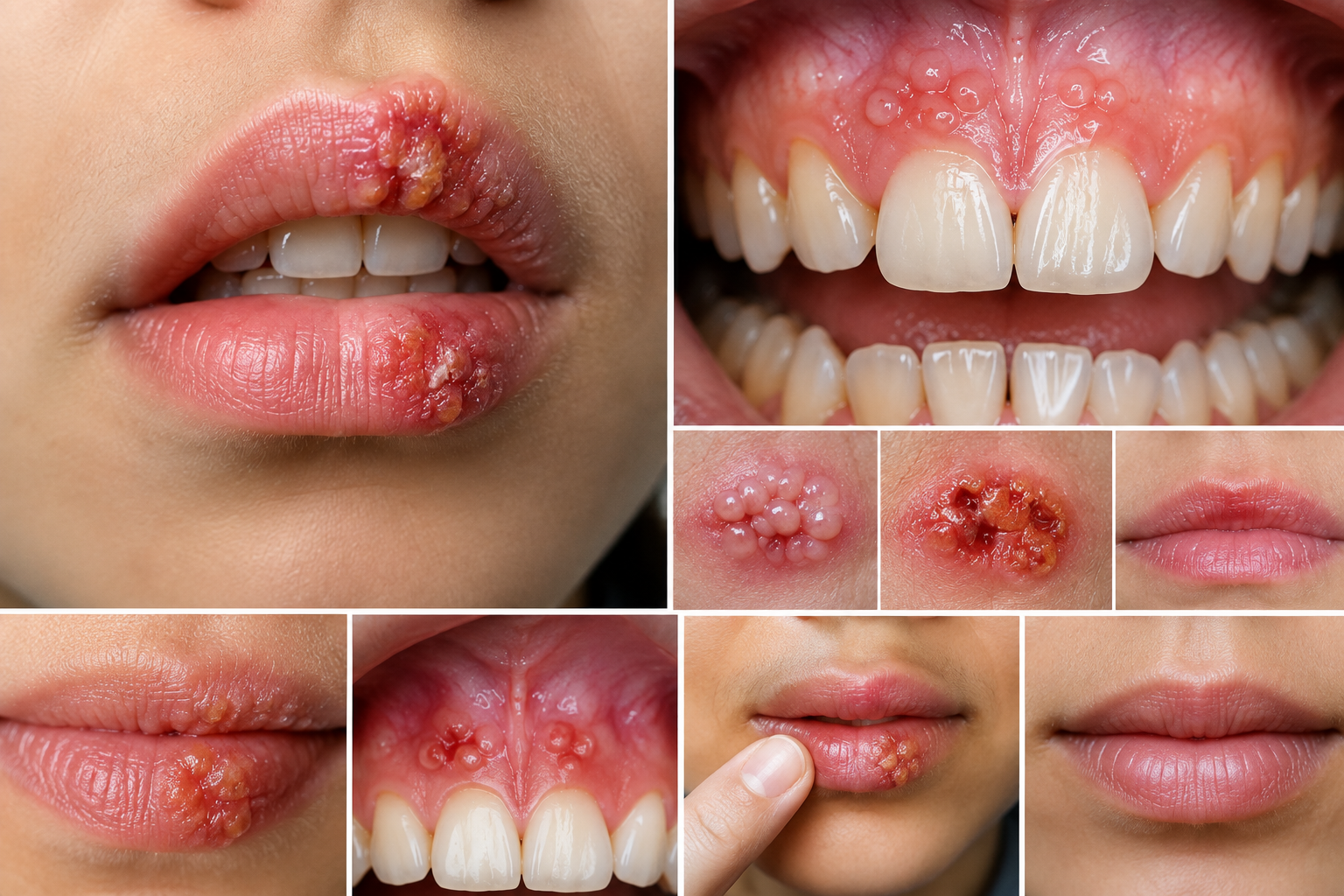
Image: Severity: CriticalTeeth Problems: Viral lesions (cold sores, herpes simplex)Clinical Case Analysis (100% Zoom Examination)
Chief Clinical Findings
After examining the lesion at high magnification, several classic findings strongly suggest Recurrent Herpes Labialis (HSV-1) involving the lips with possible intraoral extension.
Visible findings include:
Multiple clustered fluid-filled vesicles
Yellow-brown crust formation
Ulcerated lip tissue
Localized redness around lesions
Mild tissue swelling
Lesions crossing the vermillion border
Gingival vesicles above upper front teeth
Healthy surrounding teeth
No obvious dental decay causing the lesions
The grouped blister appearance is highly characteristic of Herpes Simplex Virus Type 1 (HSV-1) rather than a bacterial infection.
Most Likely Diagnosis
Primary Diagnosis
Recurrent Herpes Labialis (HSV-1 Infection)
Confidence:
★★★★★ (Very High)
The clustered vesicles, ulceration, crusting, and typical location strongly support recurrent HSV-1.
Differential Diagnosis
A dentist or oral medicine specialist may also consider:
Aphthous ulcer (canker sore)
Impetigo
Angular cheilitis
Allergic contact stomatitis
Traumatic ulcer
Hand-Foot-and-Mouth Disease
Varicella-Zoster Virus
Erythema Multiforme
Autoimmune blistering disease
Disease Stage
Based on the appearance:
The lesions appear to be between:
Stage 3–4
Blisters have ruptured
Ulceration present
Crusting has begun
Active viral replication decreasing
Healing beginning
Healing Timeline
Day 1–2
Tingling
Burning sensation
Itching
Mild redness
Day 2–4
Small grouped blisters develop.
Virus actively replicates.
Patient is highly contagious.
Day 4–6
Blisters rupture.
Pain increases.
Ulcers appear.
Eating becomes uncomfortable.
Day 6–10
Crusting develops.
Swelling gradually decreases.
Virus becomes less active.
Day 10–14
Scabs naturally separate.
New healthy skin forms.
Pain resolves.
Most lesions heal completely.
Recommended Treatment Process
Step 1
Clinical examination
↓
Medical history
↓
Confirm HSV diagnosis
Step 2
If within first 48 hours:
Prescription antiviral medication may be recommended, including:
Acyclovir
Valacyclovir
Famciclovir
Early treatment can shorten healing time.
Step 3
Supportive Care
Drink plenty of water
Avoid spicy foods
Avoid acidic foods
Avoid salty foods
Soft diet
Good oral hygiene
Step 4
Pain Management
Depending on the patient's needs, a healthcare professional may recommend:
Topical anesthetic gels
Over-the-counter pain relievers
Protective lip moisturizers
Step 5
Healing Monitoring
Follow-up if lesions:
Persist beyond two weeks
Become larger
Spread extensively
Frequently recur
Show signs of secondary infection
What Can Happen if Left Untreated for 14 Days?
Most uncomplicated recurrent cold sores begin healing within 7–14 days even without antiviral medication. However, if the lesions are unusually severe, become secondarily infected, or occur in someone with a weakened immune system, problems can develop.
Possible complications include:
Larger ulcer formation
Secondary bacterial infection
Increased pain
Difficulty eating
Difficulty drinking
Dehydration
Lip cracking and bleeding
Spread to surrounding skin
Eye infection if the virus is transferred to the eyes (a medical emergency)
More prolonged healing
Frequent future outbreaks if triggers are not managed
Persistent lesions lasting longer than 14 days should be evaluated promptly because another condition or a complication may be present.
Prognosis
With proper care:
Excellent
Healing typically occurs within:
7–14 days
Recurrences are possible because HSV-1 remains dormant in nerve tissue after the initial infection.
Expert Comments (USA Dental Perspective)
Cold sores are caused by a viral infection—not by tooth decay—and antibiotics alone do not treat the virus. Early antiviral therapy, when started within the first 24 to 48 hours of symptoms, can reduce the severity and duration of an outbreak. Avoid touching the sores, sharing utensils, towels, lip balm, or kissing while lesions are active to reduce transmission. If outbreaks become frequent, severe, or fail to heal within two weeks, a dentist, oral medicine specialist, or physician should evaluate the condition for additional treatment or to rule out other oral diseases.
Need a Dentist Near You?
If you have persistent mouth sores, recurrent cold sores, painful oral ulcers, or are unsure whether the lesion is viral, bacterial, or dental in origin, schedule an examination with a qualified dental professional.
Find a nearby dental clinic using our nationwide directory:
https://cebudentalimplants.com/map-dental-clinic
Early diagnosis helps distinguish viral lesions from dental infections, traumatic ulcers, or potentially more serious oral conditions, ensuring you receive the most appropriate treatment as soon as possible.
Frequently Asked Questions (FAQ): Viral Lesions (Cold Sores / Herpes Simplex)
Expert Answers by a Board-Certified Oral Medicine & Restorative Dentist (USA)
1. What are cold sores, and what causes them?
Expert Answer:
Cold sores are caused by Herpes Simplex Virus Type 1 (HSV-1), a highly contagious virus that commonly affects the lips, skin around the mouth, and occasionally the gums and oral tissues.
Once a person becomes infected, the virus remains dormant inside nearby nerve tissue for life. Although the initial outbreak heals, HSV-1 can reactivate periodically, causing recurrent cold sores.
Common triggers include:
Emotional stress
Fever or illness
Sun exposure
Fatigue
Hormonal changes
Dental procedures
Reduced immune function
While there is no permanent cure for HSV-1, modern antiviral medications can shorten outbreaks and reduce symptoms when started early.
2. Are cold sores contagious?
Expert Answer:
Yes.
Cold sores are most contagious from the time tingling begins until the lesions have completely healed and new skin has formed.
The virus spreads through:
Kissing
Sharing drinking glasses
Sharing utensils
Lip balm
Toothbrushes
Towels
Direct skin contact
Children, older adults, and individuals with weakened immune systems are particularly vulnerable.
Avoid close contact until all crusts have disappeared.
3. How can I tell the difference between a cold sore and a canker sore?
Expert Answer:
Although they are often confused, they are completely different conditions.
Cold sores (HSV-1):
Usually appear on the lips or around the mouth
Begin as clusters of small blisters
Form crusts during healing
Highly contagious
Caused by a virus
Canker sores:
Develop inside the mouth
Usually affect cheeks, tongue, or inside lips
Appear as shallow ulcers with a white or yellow center
Not contagious
Exact cause remains uncertain
A dental examination can usually distinguish between the two.
4. What are the first warning signs of a cold sore?
Expert Answer:
Many patients notice symptoms before the blister becomes visible.
Early warning signs include:
Tingling
Burning
Itching
Mild tenderness
Tightness of the lip
Slight redness
These symptoms often appear 24 to 48 hours before blisters develop.
This is the ideal time to begin antiviral treatment.
5. How long does a typical cold sore last?
Expert Answer:
In healthy individuals, most outbreaks heal within 7 to 14 days.
Typical healing stages include:
Days 1–2: Tingling and redness
Days 2–4: Fluid-filled blisters
Days 4–6: Blisters rupture into ulcers
Days 6–10: Crusting and scab formation
Days 10–14: New skin develops and healing completes
Large or severe lesions may require a longer recovery period.
6. Can dental treatment trigger a cold sore outbreak?
Expert Answer:
Yes.
Dental procedures occasionally trigger recurrent HSV-1 outbreaks, especially in individuals with a history of cold sores.
Possible triggers include:
Lip stretching during treatment
Local tissue trauma
Emotional stress
Fatigue after lengthy appointments
Patients with frequent outbreaks should inform their dentist before treatment. In some cases, preventive antiviral medication may be recommended.
7. What treatments are available?
Expert Answer:
Treatment depends on the severity and timing of the outbreak.
Options may include:
Oral antiviral medications
Antiviral creams
Pain-relieving gels
Cold compresses
Lip moisturizers
Increased hydration
Soft foods
Good oral hygiene
Beginning antiviral medication within the first 24 to 48 hours usually provides the greatest benefit.
8. What foods should I avoid during an outbreak?
Expert Answer:
Certain foods may irritate ulcers and increase discomfort.
During healing, I recommend avoiding:
Citrus fruits
Tomatoes
Pineapple
Hot peppers
Spicy foods
Salty snacks
Alcohol
Very hot beverages
Choose softer foods such as yogurt, oatmeal, mashed potatoes, smoothies, eggs, soups, and well-cooked vegetables until healing improves.
9. What complications can occur if a cold sore is left untreated?
Expert Answer:
Most recurrent cold sores resolve without complications, but delayed evaluation is important if symptoms become severe or fail to improve.
Potential complications include:
Secondary bacterial infection
Larger painful ulcers
Difficulty eating or drinking
Dehydration
Spread of the virus to the eyes (herpetic eye infection)
Delayed healing
More extensive outbreaks in people with weakened immune systems
If a lesion persists beyond two weeks, or if you develop fever, facial swelling, severe pain, or vision changes, seek prompt medical or dental evaluation.
10. Should I visit my dentist or my physician?
Expert Answer:
Either may be appropriate depending on your symptoms.
A dentist can:
Examine lesions affecting the lips and mouth
Rule out dental infections
Differentiate viral lesions from canker sores or traumatic ulcers
Recommend supportive care and referral if needed
A physician may manage:
Severe HSV outbreaks
Widespread skin involvement
Eye symptoms
Systemic illness
Patients who may benefit from prescription antiviral medication
In many cases, dentists and physicians work together to provide comprehensive care.
11. Can cold sores come back after they heal?
Expert Answer:
Yes.
HSV-1 remains dormant in nerve tissue for life.
Future outbreaks may occur when triggered by:
Stress
Illness
Fever
Sun exposure
Fatigue
Hormonal changes
Immune suppression
Some individuals experience only one outbreak, while others may have recurrent episodes several times each year.
12. How can I reduce future outbreaks?
Expert Answer:
Although HSV-1 cannot be eliminated, several preventive measures can reduce recurrence.
I recommend:
Maintaining good sleep habits
Managing stress
Using lip balm with sunscreen outdoors
Staying well hydrated
Eating a balanced diet
Practicing excellent oral hygiene
Avoiding known personal triggers
Discussing preventive antiviral therapy with your healthcare provider if outbreaks are frequent
Preventive care often reduces both the frequency and severity of future episodes.
13. When is a cold sore considered a dental or medical emergency?
Expert Answer:
Seek immediate evaluation if you experience:
Cold sores lasting longer than 14 days
Severe facial swelling
Difficulty swallowing
Difficulty breathing
Eye redness, pain, or blurred vision
High fever
Extensive lesions throughout the mouth
Inability to eat or drink
Severe pain that is worsening
Signs of secondary bacterial infection such as increasing redness, pus, or rapidly spreading swelling
Prompt treatment can prevent complications and improve recovery.
14. What is the overall prognosis?
Expert Answer:
For most healthy adults and children, recurrent cold sores heal completely with appropriate supportive care. Early antiviral therapy can shorten the duration of symptoms, reduce discomfort, and limit viral shedding. The best outcomes occur when patients recognize the earliest warning signs, avoid spreading the virus to others, and seek professional evaluation if lesions are unusually severe, recurrent, or fail to heal within the expected timeframe. While HSV-1 remains in the body for life, most people can successfully manage the condition and continue to enjoy good oral health with proper preventive care and timely treatment.
Youtube:
Source: https://cebudentalimplants.com/cold-sores-herpes-simplexhsv-1-symptoms-stages-treatment-healing-timeline-expert-clinical-case
0 likes · 0 comments · 0 shares