Post by cebudentalimplants (@cebudentalimplants)
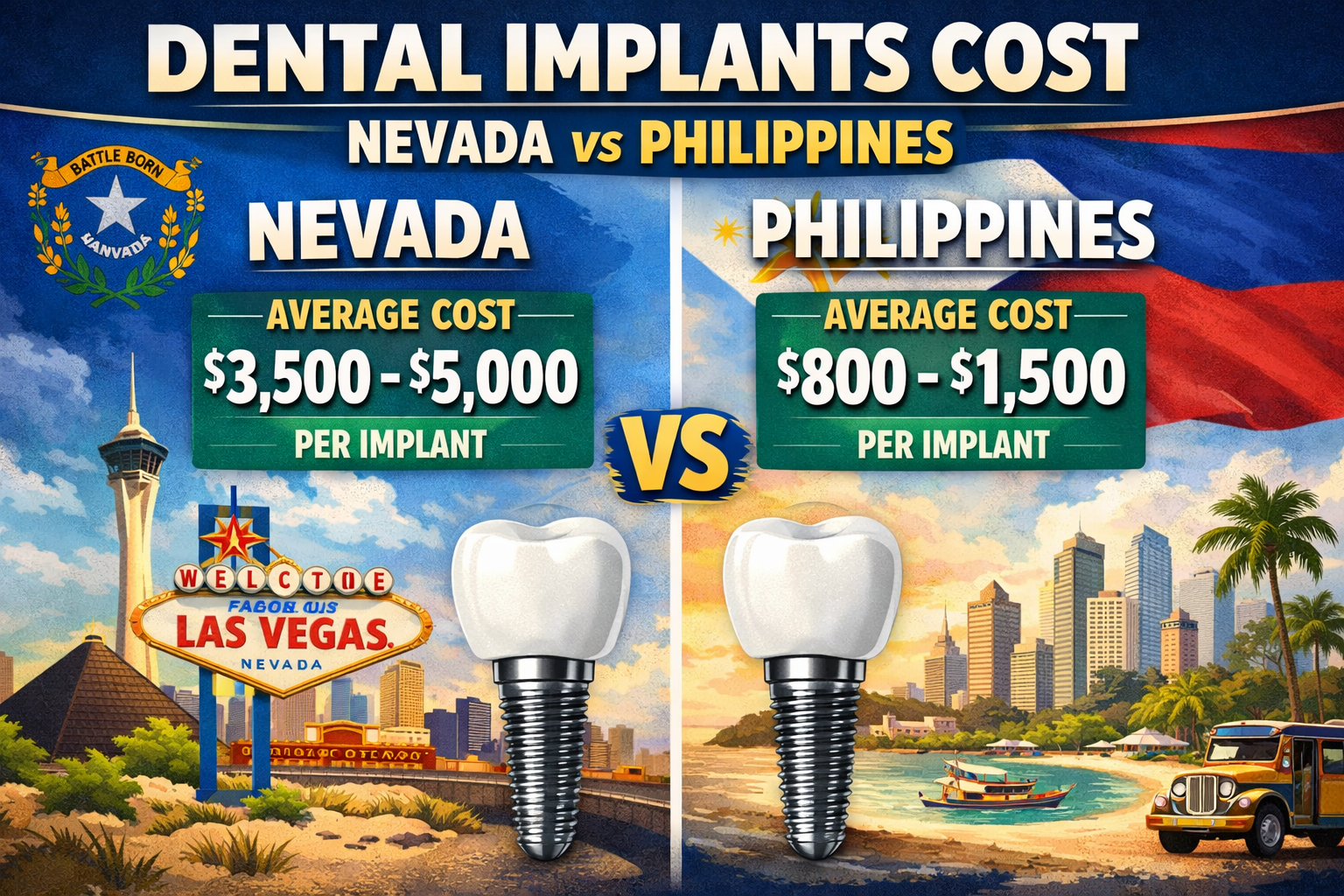
Language : EnglishTopics: Dental ImplantsDental implants are widely considered the gold standard for replacing missing teeth. They restore function, improve aesthetics, and can last decades. However, cost remains the biggest concern for many patients—especially when comparing treatment in Nevada versus the Philippinees.
This in-depth guide explains the real price differences, what influences costs, risks to consider, and how to decide which option is best for your situation.
What Are Dental Implants?
A dental implant is a titanium post surgically placed into your jawbone to replace a missing tooth root. It acts as a stable foundation for:
A crown (single tooth replacement)
A bridge (multiple teeth)
A full arch restoration
A complete implant system includes:
Implant fixture (placed into bone)
Abutment (connector)
Crown (visible tooth)
Average Cost of Dental Implants in Nevada
In Nevada, dental implants are considered a premium dental service.
Typical Cost Per Tooth
$3,500 to $6,500 per implant
Full Mouth Implants
$25,000 to $60,000 or more
What’s Included?
Costs may vary depending on the clinic, but typically include:
Consultation and diagnostic imaging (CBCT scan)
Implant surgery
Abutment and crown
Additional costs may apply for:
Tooth extraction
Bone grafting
Sinus lift
Why Nevada Is Expensivee
High operating and staffing costs
Advanced dental technology
Strict healthcare regulations
Insurance limitations
Advantages of Getting Implants in Nevada
High standard of care
Easy access to follow-up appointments
Strong legal protection
Advanced sterilization protocols
Average Cost of Dental Implants in the Philippines
In the Philippines, dental implants are significantly more affordable.
Typical Cost Per Tooth
$800 to $1,500 per implant
Full Mouth Implants
$8,000 to $15,000
What’s Included?
Many clinics offer bundled packages:
Consultation
X-rays or imaging
Implant placement
Crown
Why the Philippines Is More Affordable
Lower cost of living
Lower labor costs
Competitive dental tourism market
High patient volume
Advantages of Getting Implantz in the Philippines
Up to 70% cost savings
Access to experienced dentists in major cities
Modern facilities in reputable clinics
Opportunity for travel while receiving treatment
Cost Comparison: Nevada vs Philippines
Factor
Nevada, USA
Philippines
Cost per implant
$3,500–$6,500
$800–$1,500
Full mouth implants
$25,000–$60,000+
$8,000–$15,000
Technology
Highly advanced
Advanced (varies)
Follow-up care
Easy access
Requires travel
Travel cost
None
Additional expense
Treatment timeline
Standard
May require multiple visits
Hidden Costs You Must Consider
Lower prices in the Philippines can be appealing, but there are additional costs:
Travel Expenses
Airfare
Hotel accommodations
Transportation
Time Off Work
You may need extended leave for treatment and recovery.
Follow-Up Care
If complications arise after returning to Nevada, local dentists may charge additional fees or decline to manage external cases.
Quality of Care: What You Need to Know
Cost should never be your only deciding factor.
Nevada Clinics
Strict licensing requirements
Standardized procedures
Consistent quality control
Philippines Clinics
High-quality providers are available
Standards vary significantly
Some clinics may use lower-cost materials
Key Advice
Always research the clinic carefully. Poor-quality implants or improper placement can lead to failure, infection, and additional expenses.
Factors That Affect Implant Cost
Bone Grafting
If your jawbone lacks density, additional procedures are required.
Number of Implants
More implants increase total cost.
Implant Brand
Premium brands are more expensive but may offer better long-term outcomes.
Dentist Experience
Highly experienced specialists often charge higher fees.
Clinic Technology
Modern equipment improves success rates but increases cost.
Is Dental Tourism Worth It?
Traveling from Nevada to the Philippines can be beneficial, depending on your needs.
When It Makes Sense
You need multiple implants
You want to reduce overall costs
You can stay long enough for treatmentz
When It May Not Be Ideal
You need complex procedures
You prefer local follow-up care
You cannot travel multiple times
Risks to Consider
Dental implant procedures carry risks regardless of location:
Infection
Implant failure
Poor bone integration
Nerve damage (rare)
Risks increase when:
Clinics use outdated equipment
Materials are low quality
Aftercare instructions are not followed
How to Choose the Right Clinic
Check Credentials
Ensure the dentist is licensed and trained in implant procedures.
Evaluate Technology
Modern tools improve accuracy and safety.
Read Reviews
Look for consistent positive feedback.
Ask for a Treatment Plan
Transparent pricing and clear steps are essential.
Avoid Extremely Cheap Offers
Low prices can sometimes indicate compromised quality.
Recovery Timeline
First 3 days: swelling and discomfort
1–2 weeks: soft tissue healing
3–6 months: bone integration
Final crown placement after healing
Healing time is similar in both Nevada and the Philippines.
Frequently Asked Questions (FAQ)
How much can I save in the Philippines?
You can save approximately 50% to 70% compared to Nevada.
Are dental implants in the Philippines safe?
Yes, if performed by experienced dentists in reputable clinics. Research is critical.
How long do I need to stay abroade?
Initial procedures may require 5–10 days. Full treatment often requires multiple visits over several months.
Will US insurance cover implants overseas?
Most insurance plans do not cover treatment performed abroad.
What if complications happen after returning to Nevada?
You may need to pay additional fees for correction, and some dentists may not accept outside cases.
Are implant materials the same?
Top clinics use international brands, but some may use lower-cost alternatives.
Is the procedure painful?
It is performed under anesthesia, with manageable discomfort afterward.
Can I get full mouth implants in the Philippines?
Yes, and this is where patients often achieve the greatest savings.
How long do implants last?
With proper care, implants can last 15–25 years or more.
How can I ensure success?
Choose a qualified dentist, follow aftercare instructions, maintain oral hygiene, and avoid smoking.
Related Topics
1. Bone Grafting Before Dental Implants
Bone grafting may be required if your jawbone is not strong enough. This adds cost and healing time but increases implant success rates.
2. Dental Implants vs Dentures
Implants provide better stability and longevity, while dentures are more affordable but may require replacement over time.
3. How Long Do Dental Implants Last?
Implants are a long-term solution that can last decades with proper care, making them a worthwhile investment.
Final Thoughts
Comparing dental implant costs between Nevada and the Philippines shows a significant price difference. While Nevada offers convenience, strict regulations, and easy follow-up care, the Philippines provides a more affordable option with potential savings of up to 70%.
The best choice depends on your budget, treatment needs, and willingness to travel. Focus on quality, experience, and long-term outcomes—not just price.
A well-informed decision will protect both your investment and your oral health.
Can tooth extraction cause infection? Mild inflammation is normal, but increasing swelling, fever, or severe pain may indicate infection. Learn more about post-extraction infection warning signs in this detailed guide.
Book a consultation with our Cebu dental specialists for proper evaluation and care.
Ready to get expert guidance?
If you’re experiencing severe pain or delayed healing, book a consultation with our Cebu dental specialists to get proper evaluation and care.
Consultation or contact page .
Book a Consultation
For severe discomfort or delayed healing, book a consultation with our Cebu dental specialists today.
Looking for a dentist? Browse our Cebu dental directory to find trusted clinics near you.
Medical Review and Clinical Basis
This article is based on clinical dental guidelines and real patient recovery patterns observed after tooth extraction procedures. The information reflects common post-extraction healing stages, including normal clot formation, gum tissue repair, and signs of possible complications such as dry socket or infection.
While mild discomfort is expected after a dental extraction, worsening pain after Day 3, bad odor, exposed bone, or spreading pain may require professional evaluation. These symptoms are consistent with known post-extraction complications described in standard dental practice.
About Cebu Dental Implants
Cebu Dental Implants provides comprehensive tooth extraction, surgical procedures, and dental implant services in the Philippines. Our team evaluates post-extraction healing, manages complications such as dry socket, and advises patients on proper aftercare to prevent infection and delayed healing.
If you experience severe pain or unusual symptoms after extraction, early professional assessment is recommended to prevent further complications.
Important Medical Disclaimer
This content is for educational purposes only and does not replace professional dental diagnosis. Every patient heals differently. If symptoms worsen or do not improve within a few days, consult a licensed dentist for proper evaluation and treatment.
Author
This article was prepared by the Cebu Dental Implants content team in consultation with licensed dental professionals experienced in tooth extraction and implant procedures.
Source: https://cebudentalimplants.com/dental-implants-cost-nevada-vs-philippine
0 likes · 0 comments · 1 shares