Post by cebudentalimplants (@cebudentalimplants)
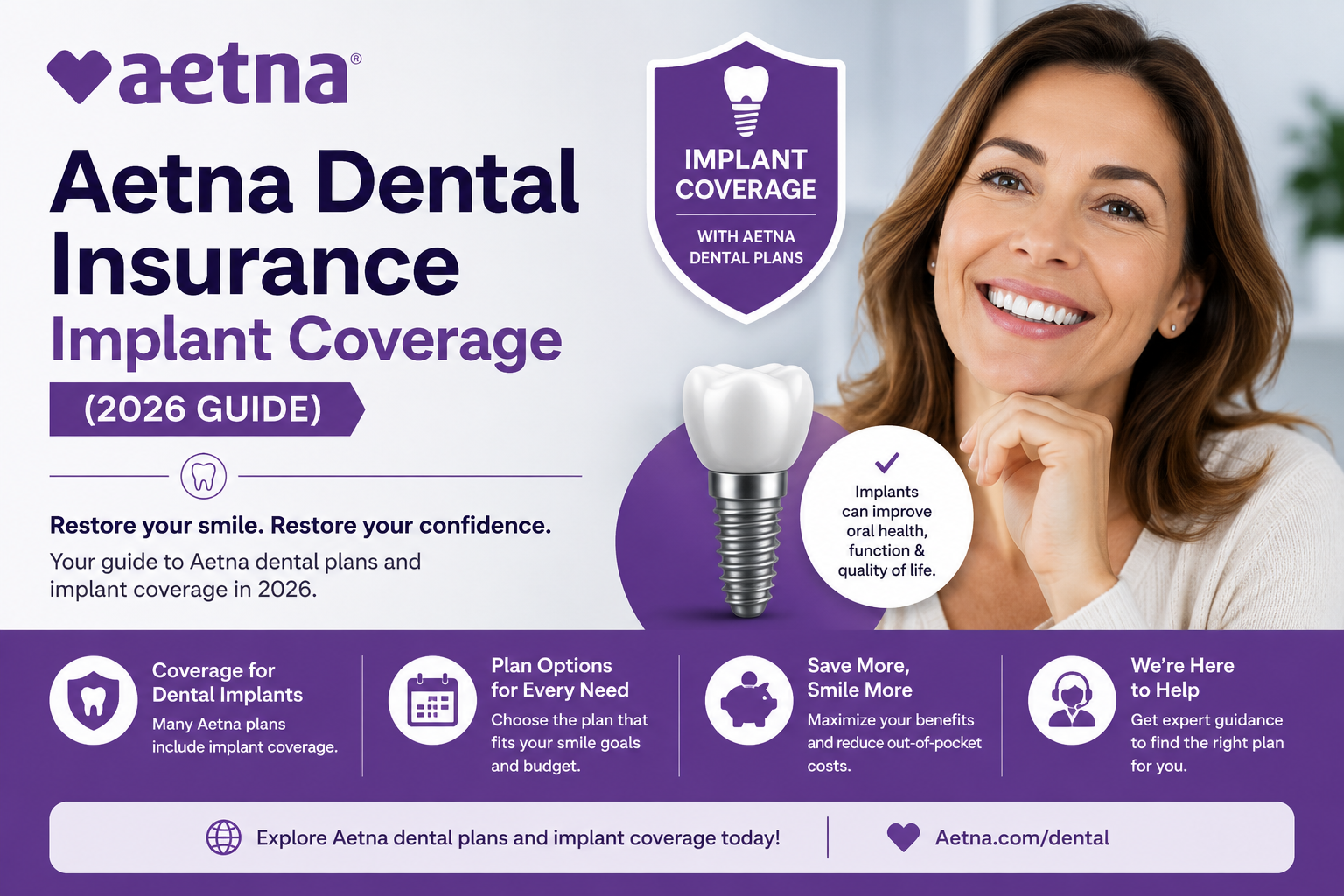
Language : EnglishTopics: Dental ImplantsDental Implants FixingDental implant inflammation (peri-implantitis)Understanding How Aetna Covers Dental Implants in the USA
Dental implants have become one of the most requested restorative dental procedures in the United States. Patients today want stronger more clarity resoults, more natural-looking tooth replacement solutions that preserve jawbone health and improve long-term function.
However, one major concern remains consistent across nearly every consultation:
“Will my insurance help pay for dental implants many doubts comes in someone mind vivid picture if something will not workout?”
As a dental implant provider in the United States, I frequently work with patients insured through Aetna. Many patients assume implant coverage is simple, but the reality is more complex.
Aetna offers a wide variety of dental insurance plans, and implant benefits can vary significantly depending on:
Employer-sponsored plans
PPO vs DMO structure
Annual maximums
Waiting periods
Missing tooth clauses
Medical necessity documentation
Preauthorization requirements
This guide explains how Aetna dental insurance typically handles implant coverage in 2026, including:
Implant benefits full
Insurance requirements ; How long is the process
Waiting periods ; Delay in waiting and process time
Claim approval process ; Releasing is slow or fast ?
Payment release timelines ; Verification and before funds are release
Common denial reasons ; What if luck of requirements how long will it really take?
Strategies to maximize reimbursement
Does Aetna Dental Insurance Cover Implants?
Yes — many Aetna dental plans now provide some level of implant coverage.
However, not all plans include implants automatically.
Coverage depends heavily on:
The specific policy
Employer group benefits
State regulations
PPO or DMO structure
Individual plan upgrades
Some Aetna plans cover:
Implant placement surgery
Implant crowns
Abutments
Bone grafts
Tooth extractions
Diagnostic imaging
Other plans may:
Exclude implants entirely
Cover only implant crowns
Provide alternative benefit clauses
Restrict major restorative procedures
This is why policy verification is critical before treatment begins.
Typical Aetna Implant Coverage Structure
Although benefits vary, many Aetna PPO plans follow a structure similar to this:
Service
Typical Coverage
Preventive care
80%–100%
Basic procedures
60%–80%
Major restorative care
40%–60%
Dental implants
30%–50%
Annual maximum
$1,000–$3,000+
Some premium employer-sponsored plans may provide higher reimbursement levels.
PPO vs DMO: Major Difference for Implant Patients
Aetna PPO Plans
PPO plans are generally the preferred option for implant treatment.
Advantages:
Larger provider networks
Access to implant specialists
Out-of-network reimbursement
More flexibility for surgical care
Disadvantages:
Higher monthly premiums
Deductibles
Waiting periods may apply
Most implant patients benefit more from PPO plans than DMO structures.
Aetna DMO Plans
DMO plans operate with stricter provider controls.
Advantages:
Lower monthly costs
Fixed fee structures
Disadvantages:
Limited implant specialists
Referral requirements
Implant exclusions more common
Less flexibility for complex cases
Patients seeking advanced implant rehabilitation often encounter more limitations under DMO plans.
Aetna Dental Insurance Requirements for Implant Coverage
Insurance approval depends heavily on documentation.
Aetna commonly requires proof that implant treatment is:
Functionally necessary
Clinically appropriate
Supported by diagnostic evidence
Below are the most common insurance requirements.
1. Comprehensive Dental Examination
Patients usually need:
Full oral examination
Periodontal evaluation
Diagnostic treatment planning
The dentist must document:
Missing teeth
Bone condition
Bite stability
Oral health status
2. X-Rays and CBCT Imaging
Aetna frequently requires radiographic evidence.
This may include:
Panoramic x-rays
Periapical x-rays
CBCT 3D scans
These images help demonstrate:
Bone availability
Implant site anatomy
Need for grafting
Surgical feasibility
3. Preauthorization Submission
Preauthorization is extremely important.
The dental office submits:
Procedure codes
Clinical notes
Radiographs
Treatment plans
Aetna then reviews:
Eligibility
Benefit limitations
Medical necessity
Frequency restrictions
Preauthorization helps estimate what portion of treatment may be reimbursed.
However, it is not always a guarantee of payment.
4. Waiting Period Completion
Many Aetna plans require:
6–12 month waiting periods for implants
This applies especially to:
Newly enrolled patients
Individual marketplace plans
Employer-sponsored plans may waive waiting periods.
5. Missing Tooth Clause Evaluation
Some Aetna policies include a missing tooth clause.
This means:
Teeth lost before policy activation may not qualify for replacement coverage.
Patients frequently overlook this restriction until claims are denied.
Alternative Benefit Clauses Explained
Aetna sometimes applies an “alternative benefit” provision.
Example:
The insurer may determine a bridge is less expensive than an implant.
Instead of paying implant benefits, Aetna reimburses based on bridge coverage rates.
This reduces the total insurance contribution significantly.
Patients are responsible for paying the remaining implant costs.
Annual Maximum Limits
Even approved implant claims are limited by annual maximums.
Typical yearly maximums include:
$1,000
$1,500
$2,000
Occasionally higher for premium plans
Because implant treatment often exceeds several thousand dollars, insurance typically covers only part of total treatment expenses.
How Aetna Releases Payment for Implant Claims
One of the most misunderstood parts of implant insurance is payment release timing.
Patients often expect insurance to pay immediately after surgery.
In reality, implant claims are usually processed in stages.
Stage 1: Claim Submission
The dental office submits:
Procedure codes
Clinical documentation
Radiographs
Insurance forms
This occurs after treatment completion or according to staged billing schedules.
Stage 2: Insurance Review
Aetna reviews:
Patient eligibility
Waiting periods
Annual maximum availability
Policy exclusions
Medical necessity documentation
Processing times vary depending on:
Claim complexity
Documentation completeness
Whether additional records are requested
Stage 3: Explanation of Benefits (EOB)
Aetna issues an Explanation of Benefits showing:
Approved procedures
Denied procedures
Patient responsibility
Payment amount
This document is not a bill.
It explains how the claim was processed.
Stage 4: Payment Release
If approved, Aetna typically releases payment:
Directly to the dental office
Or occasionally to the patient depending on assignment terms
Typical payment release timelines:
2–6 weeks
Longer for complex implant cases
Longer if appeals are involved
Why Implant Claims Get Delayed
Common causes include:
Missing Documentation
Examples:
Missing x-rays
Incomplete narratives
Missing periodontal charting
Waiting Period Issues
Claims submitted before eligibility activation are commonly denied.
Annual Maximum Exhaustion
Patients sometimes use benefits earlier in the year, leaving limited remaining coverage.
Coordination of Benefits Problems
Patients with dual insurance policies may experience:
Delays
Additional paperwork
Secondary review requests
Common Reasons Aetna Denies Implant Claims
1. Missing Tooth Clause
Very common in individual plans.
2. Waiting Period Not Completed
Especially for newly enrolled members.
3. Implant Exclusion
Some policies simply exclude implants entirely.
4. Lack of Medical Necessity Documentation
Insufficient records may trigger denials.
5. Frequency Limitations
Insurance may deny replacement if:
Prior prosthetic work was completed recently.
Can Medical Insurance Help Alongside Aetna Dental?
Sometimes.
In medically related situations involving:
Trauma
Cancer
Jaw reconstruction
Severe pathology
Medical insurance may contribute toward:
Surgical portions
Hospital costs
Reconstruction procedures
Coordination between medical and dental insurance can sometimes reduce patient expenses.
How Experienced Dental Offices Improve Approval Success
Implant offices with strong insurance teams often improve reimbursement outcomes.
They understand:
Coding accuracy
Narrative documentation
Preauthorization systems
Appeal processes
Experienced insurance coordinators may help:
Reduce denials
Speed claim processing
Clarify benefits
Maximize reimbursements
Financing Options When Insurance Is Limited
Even excellent insurance rarely covers full implant treatment costs.
Many patients combine insurance with financing.
CareCredit Financing
CareCredit is commonly accepted in implant practices.
Benefits include:
Monthly payments
Promotional financing
Flexible repayment terms
In-House Dental Financing
Some practices provide:
Structured payment plans
Staged treatment scheduling
Membership savings programs
Health Savings Accounts (HSA)
HSAs may be used for:
Implant surgery
Restorative procedures
Bone grafting
Sedation
This provides tax advantages.
Why Patients Should Focus Beyond Insurance Alone
As an implant clinician, I always remind patients:
Insurance is only one part of successful implant treatment.
The quality of surgery matters more than finding the cheapest covered option.
Poorly placed implants may lead to:
Bone loss
Gum recession
Infection
Bite collapse
Implant failure
Patients should prioritize:
Surgeon experience
Technology
Sterilization standards
Implant systems used
Long-term treatment planning
A well-placed implant can last decades.
Questions to Ask Aetna Before Implant Treatment
Important Questions
Are implants covered under my policy?
Is there a waiting period?
Does my plan include a missing tooth clause?
What is my annual maximum?
Are bone grafts covered?
Is preauthorization required?
Is my implant surgeon in-network?
Does my plan use alternative benefit clauses?
Are implant crowns billed separately?
How long does payment processing usually take?
How to Maximize Aetna Implant Benefits
1. Preauthorize Everything
Never begin major treatment without insurance verification.
2. Stage Treatment Across Calendar Years
Splitting treatment may allow use of:
Multiple annual maximums
3. Maintain Continuous Coverage
Avoid insurance gaps that may restart waiting periods.
4. Use Dual Insurance If Available
Spouse coverage or secondary insurance may improve reimbursement.
The Future of Implant Insurance Coverage
Dental insurance is evolving because implants are increasingly viewed as:
Functional healthcare
Not cosmetic luxury dentistry
Research continues showing implants improve:
Nutrition
Oral stability
Bone preservation
Speech
Confidence
Overall quality of life
Over time, insurers may expand:
Implant reimbursement
Annual maximums
Senior coverage
Medicare Advantage implant options
Final Thoughts from a U.S. Dental Implant Perspective
Aetna dental insurance can absolutely help reduce implant costs — but patients must understand the limitations and requirements involved.
The most successful implant patients usually:
Verify benefits early
Complete preauthorization
Understand waiting periods
Work with experienced implant offices
Plan treatment strategically
Most importantly, patients should remember:
Insurance approval is not the ultimate goal.
Long-term implant success, comfort, oral function, and quality treatment matter far more than simply choosing the cheapest option.
A properly planned implant can improve daily life for decades.
FAQ – Aetna Dental Insurance Implant Coverage
Does Aetna cover dental implants?
Many Aetna PPO plans provide partial implant coverage, but benefits vary depending on the policy.
Does Aetna require preauthorization for implants?
Yes, many implant procedures require preauthorization and supporting documentation before approval.
How long does Aetna take to release implant payments?
Payment processing may take approximately 2–6 weeks depending on claim complexity and documentation completeness.
What is the missing tooth clause?
It is a policy limitation where teeth lost before insurance enrollment may not qualify for replacement coverage.
Can Aetna deny implant claims?
Yes. Common denial reasons include waiting periods, missing documentation, exclusions, and annual maximum limitations.
Related Topics
Dental Insurance Waiting Period for Implants
Best PPO Dental Insurance for Implants in the USA
Dental Implant Financing Options Without Insurance
Can tooth extraction cause infection? Mild inflammation is normal, but increasing swelling, fever, or severe pain may indicate infection. Learn more about post-extraction infection warning signs in this detailed guide.
Book a consultation with our Cebu dental specialists for proper evaluation and care.
Ready to get expert guidance?
If you’re experiencing severe pain or delayed healing, book a consultation with our Cebu dental specialists to get proper evaluation and care.
Consultation or contact page .
Book a Consultation
For severe discomfort or delayed healing, book a consultation with our Cebu dental specialists today.
Looking for a dentist? Browse our Cebu dental directory to find trusted clinics near you.
Medical Review and Clinical Basis
This article is based on clinical dental guidelines and real patient recovery patterns observed after tooth extraction procedures. The information reflects common post-extraction healing stages, including normal clot formation, gum tissue repair, and signs of possible complications such as dry socket or infection.
While mild discomfort is expected after a dental extraction, worsening pain after Day 3, bad odor, exposed bone, or spreading pain may require professional evaluation. These symptoms are consistent with known post-extraction complications described in standard dental practice.
About Cebu Dental Implants
Cebu Dental Implants provides comprehensive tooth extraction, surgical procedures, and dental implant services in the Philippines. Our team evaluates post-extraction healing, manages complications such as dry socket, and advises patients on proper aftercare to prevent infection and delayed healing.
If you experience severe pain or unusual symptoms after extraction, early professional assessment is recommended to prevent further complications.
Important Medical Disclaimer
This content is for educational purposes only and does not replace professional dental diagnosis. Every patient heals differently. If symptoms worsen or do not improve within a few days, consult a licensed dentist for proper evaluation and treatment.
Author
This article was prepared by the Cebu Dental Implants content team in consultation with licensed dental professionals experienced in tooth extraction and implant procedures.
Source: https://cebudentalimplants.com/aetna-dental-insurance-implant-coverage-2026-guide
0 likes · 0 comments · 0 shares