Post by Ifenna Chikodinaka (@ifenna_chikodinaka)
Teaching, Not Punishing: Guiding Children Under 10 Through Their Mistakes
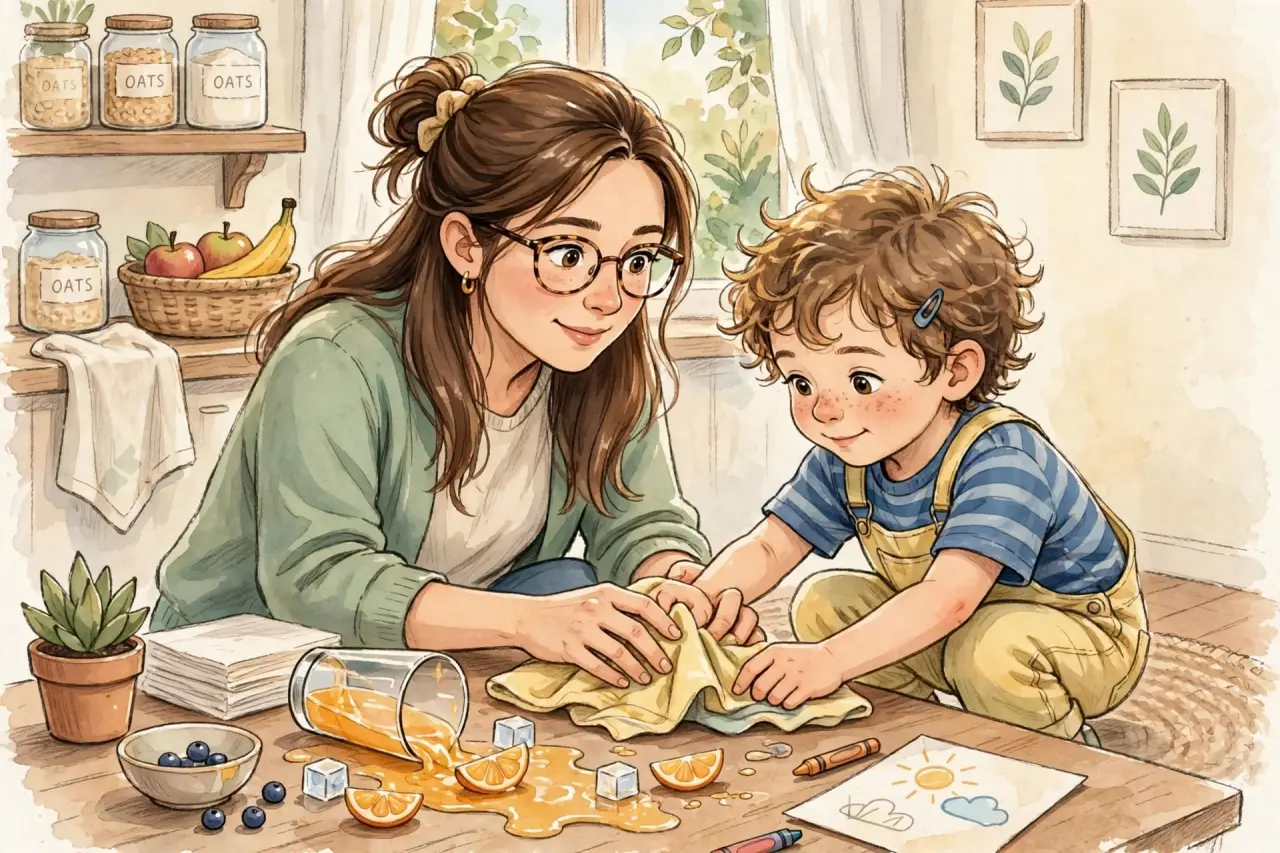
For mothers raising children below 10, every day brings small mistakes — spilled juice, forgotten chores, a harsh word to a sibling. At this age, a child’s brain is still learning how the world works. Many “misbehaviors” are not defiance, but gaps in knowledge. They simply do not know yet.
The principle is simple: Teach first, punish mistakes made in ignorance never.
A 4-year-old who draws on the wall often doesn’t know that walls aren’t for crayons. A 7-year-old who interrupts adults may not have learned how conversations work. If no one has shown them the right way, punishing them creates fear, not understanding. The child learns to hide mistakes instead of learning from them.
What to do instead
1. Pause and check awareness
Before reacting, ask yourself: Did I ever clearly teach this? Does my child know this rule? If the answer is no, this is a teaching moment, not a discipline moment.
2. Show the right way, calmly
Get down to their level. Use short, clear words. “We color on paper. Walls are for looking. Here, let’s clean this together.” You’re giving them the rule and the skill to fix it.
3. Practice together
Children under 10 learn by doing. If they forgot to pack their school bag, do it together the next morning. Repeat until it becomes habit. Repetition is teaching; punishment is not.
4. Separate intent from impact
If the child didn’t know better, address the action, not the child. “Spilling happened. Next time hold with two hands.” This protects their confidence while correcting behavior.
5. Save consequences for known rules
Once you’ve taught a rule multiple times and you’re sure the child understands, then fair, related consequences make sense. But jumping to punishment for an unknown mistake teaches a child that love is conditional on perfection.
Why it matters
Children below 10 are building their sense of safety with you. When a mother chooses teaching over punishment for honest mistakes, the child learns three things: I am safe to learn, I can come to Mum when I mess up, and making mistakes is how I grow.
That’s the foundation of trust. And a child who trusts you will listen to you — not out of fear, but because you’ve proven you’re their guide, not their judge.
0 likes · 0 comments · 0 shares