Post by Kachi storm (@kstorm)
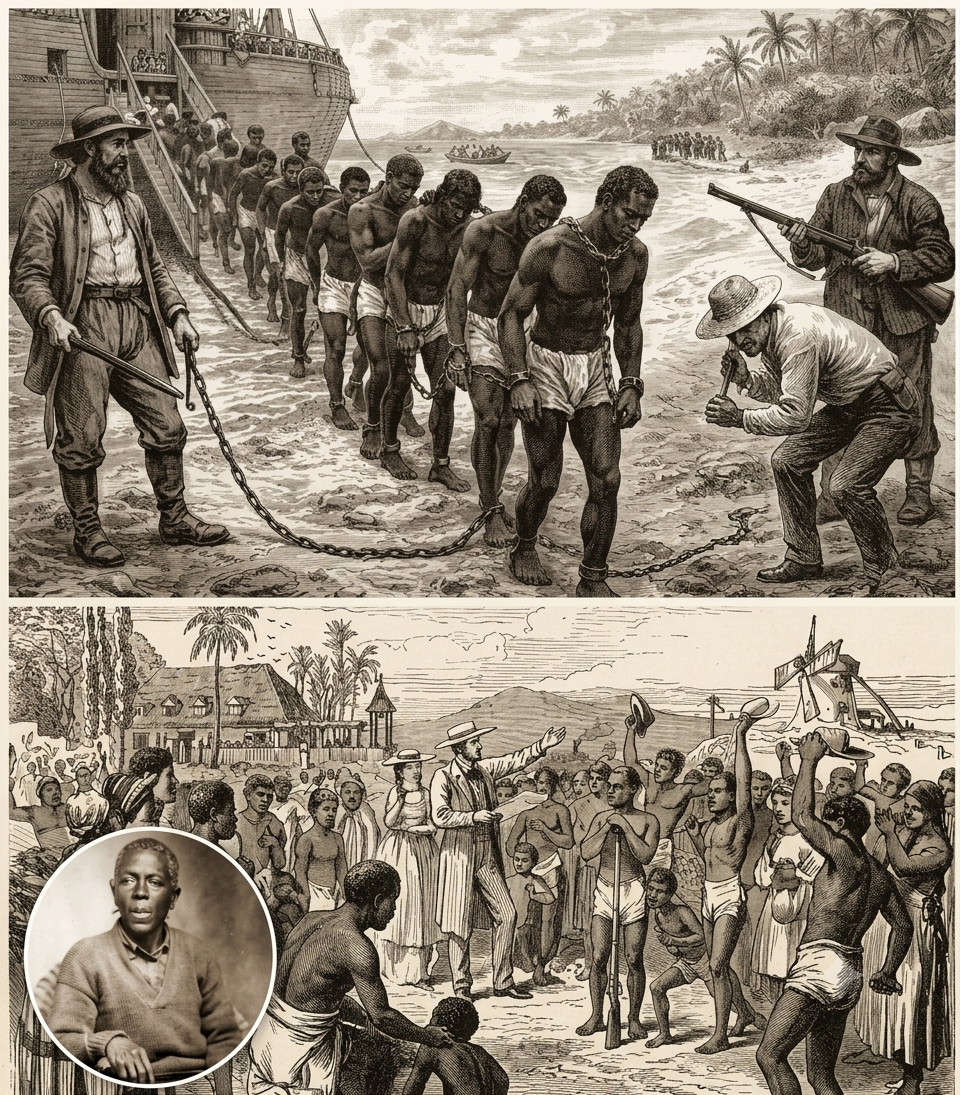
Matilda McCrear lived long enough to become a human bridge between Africa, American slavery, and the modern era. Born in West Africa around 1857, she was captured as a toddler and transported across the Atlantic aboard the Clotilda in 1860—the last known ship to bring enslaved Africans illegally into the United States . Her Yoruba name was Àbáké, meaning "born to be loved by all." The facial scars on her left cheek, preserved in photographs, marked her as Yoruba .
The voyage itself was a crime. The United States had banned the importation of enslaved Africans in 1808. Alabama businessman Timothy Meaher reportedly made a wager that he could evade the law . The Clotilda sailed to West Africa, purchased more than 100 captives, and carried them to Alabama. Afterward, the ship was burned and sunk to conceal the evidence .
On arrival, Àbáké became Matilda. Her mother became Gracie, her sister Sallie. They were bought by Memorable Walker Creagh and put to work on his plantation . When the Civil War ended in 1865, they were free—but had no way to return home. Matilda grew up in Alabama's sharecropping system, trapped in poverty.
Her story was largely overlooked until historian Hannah Durkin uncovered evidence showing that Matilda lived until January 1940, dying in Selma at age 82 . That meant she survived longer than Redoshi, another Clotilda survivor previously considered the last . Matilda even lived long enough to see motion pictures, automobiles, and airplanes become part of American life.
What makes Matilda remarkable is what she refused to let go. She wore her hair in a traditional Yoruba style her entire life—a style taught to her by her mother . She changed her surname from Creagh, her enslaver's name, to McCrear . In her 70s, she walked 15 miles to a Selma courthouse to claim compensation for her illegal enslavement. The judge dismissed her claim. She thanked him anyway .
Her grandson John Crear learned the truth only a few years ago. "If she hadn't been brought here, I wouldn't be here," he said. "But it's hard to read about what she experienced" . Matilda's story is not just about survival. It is about a woman who carried Africa with her, in her hair, in her name, and in her refusal to accept the terms the world tried to impose on her.
0 likes · 0 comments · 0 shares