Post by Augustine Chiagozie (@pabloexchange)
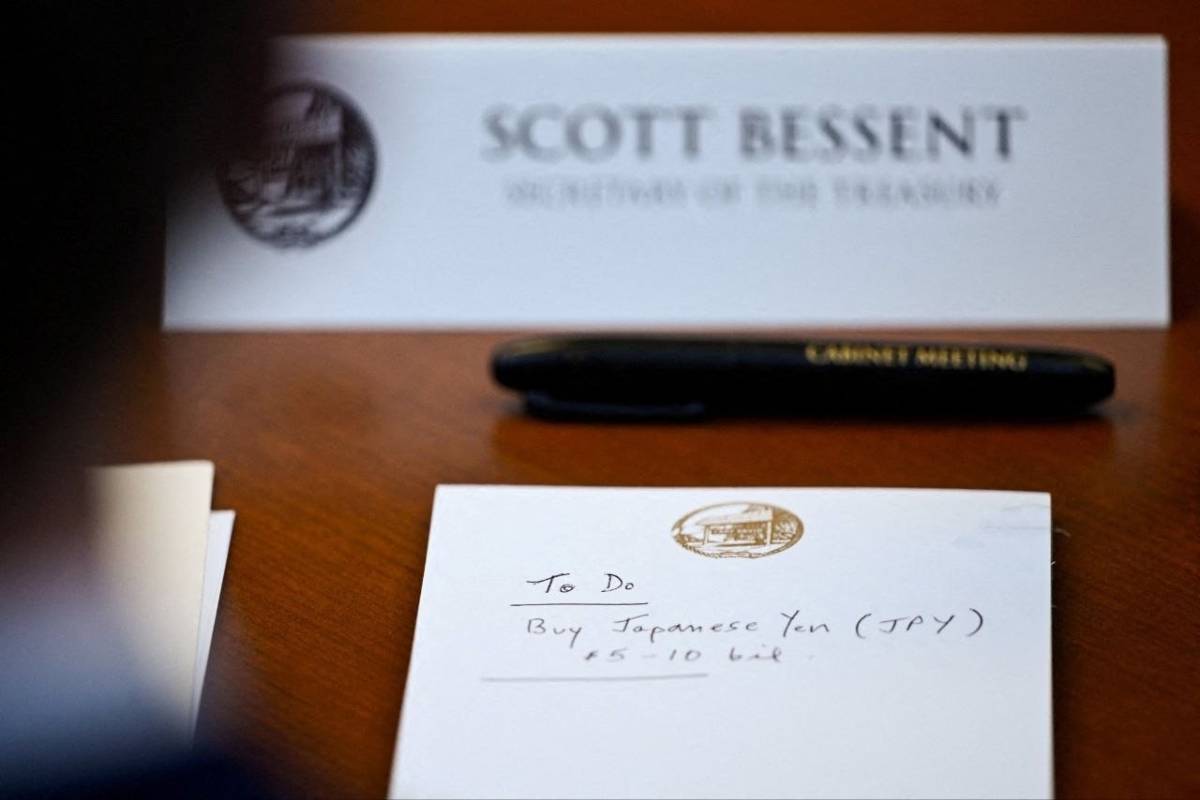
🇯🇵 Why the U.S. stepped in to support Japan for the first time in 28 years
Japan has already spent around $160 billion this year trying to stop the yen from collapsing. Despite record interventions, the currency still hit its weakest level since 1986.
The bigger issue isn't the yen itself. Japan is the largest foreign holder of U.S. Treasuries, with about $1.19 trillion. If its cash reserves run low, defending the yen means selling U.S. government bonds, putting even more pressure on American borrowing costs, which are already at 19-year highs.
That's why the U.S. intervened in the currency market for only the fourth time since the mid-1990s. The goal wasn't to save the yen. It was to reduce the risk of large-scale Treasury selling.
Sometimes the biggest market intervention isn't about the market everyone is watching. It is about protecting the one behind it.
0 likes · 0 comments · 0 shares