Post by Idorenyin Etim (@DailyAffirmmative)
Cost of Living in Nigeria: Comparing Two Major Cities(Abuja & Lagos
Choosing where to live is about more than finding a job—it's about finding a city that fits your lifestyle and budget. From the bustling streets of Lagos to the cooler climate of Jos, every Nigerian city has its own advantages and living costs
Here's a practical comparison of two major cities to help you understand what everyday life might cost.
City: Abuja
Average Rent (1-Bedroom): ₦500,000–₦1,500,000
Monthly Transportation: ₦35,000–₦80,000
Monthly Food & Groceries: ₦120,000–₦220,000
Utilities & Internet: ₦40,000–₦90,000
Overall Cost: High
Abuja
As Nigeria's capital, Abuja offers modern infrastructure, organized neighborhoods, and many government institutions. Areas such as Maitama, Asokoro, and Wuse are among the most expensive, while districts farther from the city center are generally more affordable. Residents benefit from good road networks and a relatively orderly environment, but housing is a major expense.
City: Lagos
Average Rent (1-Bedroom): ₦600,000–₦2,000,000
Monthly Transportation: ₦40,000–₦100,000
Monthly Food & Groceries: ₦120,000–₦250,000:
Utilities & Internet: ₦40,000–₦90,000
Overall Cost: Very High
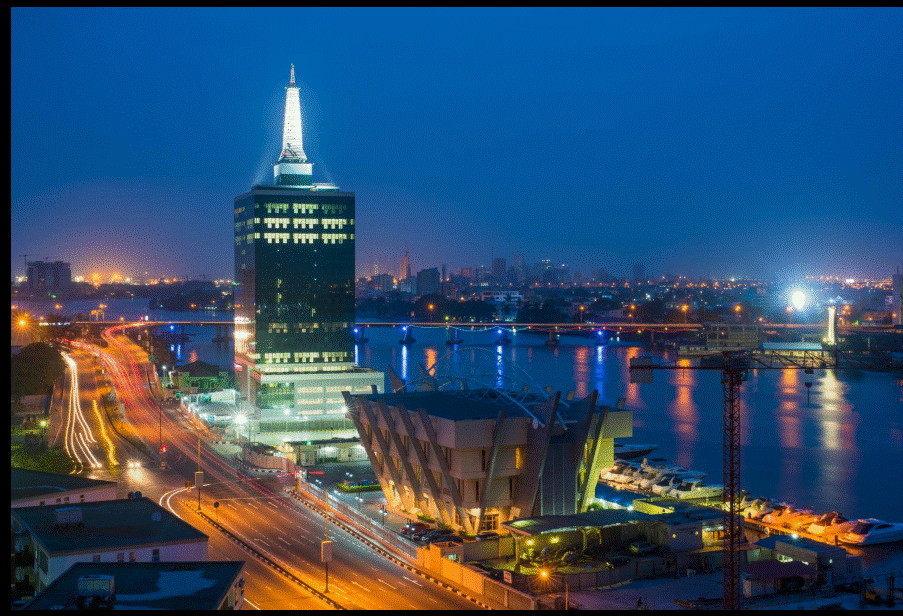
Lagos
Lagos is Nigeria's commercial powerhouse and offers endless opportunities for business, entertainment, and career growth. However, it is also the country's most expensive city. Rent, traffic, and transportation can significantly increase monthly expenses, although the city provides a wide range of housing and shopping options for different budgets.
Which city do you prefer?
#dailygist #dailyAffirmmative #LekeeLekee
0 likes · 0 comments · 0 shares
Comments
But I like Abuja