Post by SSA.NEWMEDIA.ABIA (@SSANEWMEDIAABIA)
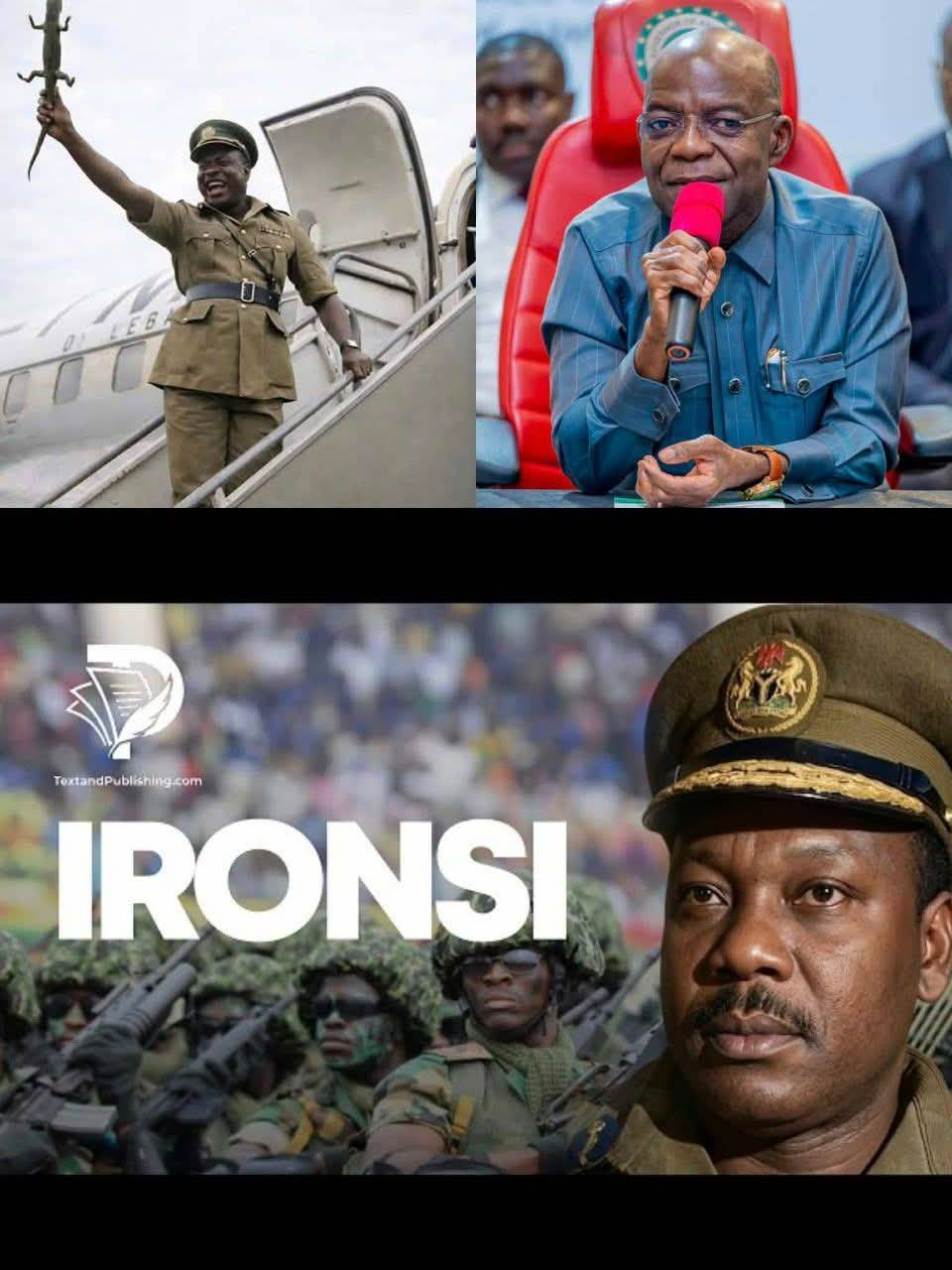
A MINUTE OF SILENCE FOR A HERO: GOV. OTTI HONORS A LIFE SACRIFICED FOR NIGERIA 60 YEARS ON - MAJOR-GENERAL J.T.U. AGUIYI-IRONSI (1966–2026).
There are men whose lives become inseparable from the destiny of their nation. Their names transcend tribe, religion and politics, becoming permanent inscriptions on the pages of history. Major General Johnson Thomas Umunnakwe Aguiyi-Ironsi belongs to that rare company.
Sixty years after his tragic death, Abia State, under a leader who honours service and sacrifice, pauses to remember and pay tribute to her illustrious son: Nigeria’s first indigenous Major-General and Military Head of State. He was a soldier whose career embodied discipline, courage, honour and sacrifice. His story is not merely the story of an Igbo son from Umuahia; it is the story of a Nigerian patriot whose life became entwined with the hopes and tragedies of a young nation struggling to define itself.
Born on March 3, 1924, in Umuahia, in present-day Abia State, J.T.U. Aguiyi-Ironsi came of age during the colonial era. Like many ambitious young Africans of his generation, he enlisted in the Royal West African Frontier Force during the Second World War.
From the beginning, his superiors recognized uncommon qualities in him: discipline, intelligence, courage and exceptional leadership. Those qualities earned him selection for officer training in the United Kingdom.
In 1949, he was commissioned as one of the earliest Nigerian officers in the Nigerian Army, at a time when senior command was still largely in foreign hands. It marked the beginning of a distinguished career that would inspire generations of Nigerian officers.
General Ironsi’s brilliance extended beyond the battlefield. He served as Military Attaché in London, representing Nigeria with dignity and professionalism. During the historic visit of Her Majesty Queen Elizabeth II to Nigeria in 1956, he served as Aide-de-Camp, an honour reserved for officers of impeccable conduct and outstanding ability.
He later commanded troops in Enugu, where his reputation as a disciplined and dependable officer continued to grow.
His finest international assignment came during the United Nations Peacekeeping Mission in the Congo in the 1960s. Commanding multinational forces in one of Africa’s most turbulent conflicts, Aguiyi-Ironsi demonstrated calmness under pressure, professional competence and remarkable leadership. His performance earned Nigeria international respect and confirmed his place among Africa’s finest military commanders.
In 1965, history was made when Johnson Thomas Umunnakwe Aguiyi-Ironsi became Nigeria’s first indigenous Major-General and General Officer Commanding the Nigerian Army. It was a milestone that symbolized the emergence of African leadership in the highest ranks of the military.
Only months later, history summoned him again. The political crisis that followed the coup of January 15, 1966, plunged Nigeria into uncertainty. Although he did not organize or participate in that coup, the collapse of constitutional government left him, as the most senior surviving military officer, with the burden of preserving the nation. He accepted that burden not as a conqueror, but as a soldier called upon by history.
He inherited not peace, but crisis.
Not stability, but confusion. Not celebration, but national mourning. He governed a nation deeply wounded by suspicion and grief. Historians continue to debate aspects of his brief administration, but none can deny the enormous challenges confronting him.
Then came July 29, 1966. A counter-coup erupted and the nation descended further into darkness.
In Ibadan, where General Aguiyi-Ironsi was on official duty, destiny caught up with him. History records that he was taken away together with his host, Lieutenant Colonel Adekunle Fajuyi, the Military Governor of the Western Region.
Fajuyi was reportedly offered the opportunity to save himself. He refused. With that decision, he immortalized himself as one of Nigeria’s greatest patriots. He chose honour above life, loyalty above fear, duty above survival.
Together, the two officers were driven out of Ibadan toward Lalupon. There was no parade, no bugle, no salute. Only silence, and the quiet dignity of soldiers walking into history. Their bodies were later recovered and given proper burial. That lonely road has since become one of the most haunting symbols of Nigeria’s tragic political history.
Power had vanished. The uniform remained. The soldier remained. His dignity remained. The grave could bury his body. It could never bury his legacy.
His death did not heal Nigeria. Instead, it opened the gates to greater sorrow. The cycle of reprisals widened, fear spread, and eventually Nigeria descended into a civil war whose scars remain visible today.
Sixty years later, remembrance must not become an invitation to bitterness. History should unite, not divide. The life of General Aguiyi-Ironsi teaches us that leadership demands sacrifice, tha
0 likes · 0 comments · 0 shares