Post by Stephen Onuh Uwodi (@Enefuojo)
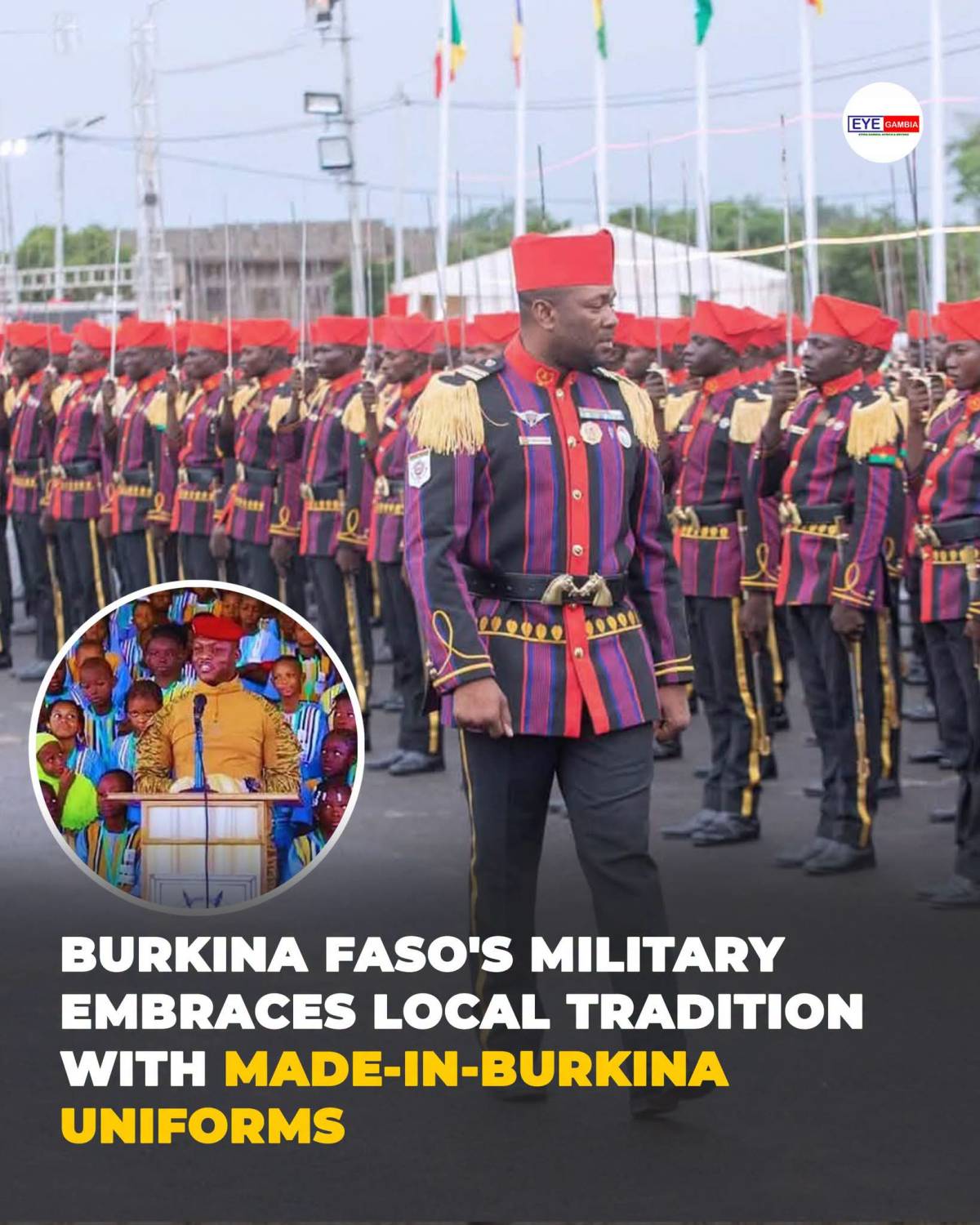
The introduction of military uniforms made from locally woven Burkinabè fabric represents far more than a change in appearance—it is a powerful declaration of national pride, economic independence, cultural preservation, and strategic self-reliance. If accurately implemented as described, this initiative reflects a leadership philosophy that recognizes that true sovereignty is expressed not only through military strength but also through the ability of a nation to produce, value, and proudly use its own resources.
For decades, many African countries have relied heavily on imported goods, even for items that could be produced locally. This dependence has often weakened domestic industries, reduced employment opportunities, and contributed to the loss of indigenous skills and cultural identity. By choosing locally woven fabric for military uniforms, Captain Ibrahim Traoré is sending a clear message that national development begins with confidence in local capacity. Every uniform produced locally supports Burkinabè farmers, textile producers, weavers, tailors, artisans, and small businesses, creating jobs while keeping wealth circulating within the national economy.
The use of the traditional Cencengu fabric also demonstrates respect for Burkina Faso's rich cultural heritage. Rather than allowing globalization to erase local traditions, the initiative elevates indigenous craftsmanship to the highest level of national service. When soldiers proudly wear fabric rooted in their own history and culture, they become ambassadors of national identity, reminding citizens that patriotism includes preserving and celebrating their unique heritage.
Beyond its cultural significance, the policy carries important economic and strategic benefits. Strong local manufacturing reduces dependence on foreign suppliers, strengthens domestic production capacity, improves economic resilience, and enhances national preparedness during periods of international uncertainty or supply chain disruptions. Nations that produce more of what they consume are generally better positioned to withstand external economic pressures and maintain greater control over their development.
Perhaps most importantly, this initiative reinforces the principle that leadership should inspire citizens to believe in their own abilities before looking elsewhere for solutions. Governments that deliberately prioritize locally made products encourage innovation, entrepreneurship, and industrial growth. Such policies help build confidence that African countries possess the talent, resources, and creativity needed to drive their own development.
While no single policy can solve every economic or security challenge, promoting local production through government procurement is a practical step toward building a more self-reliant economy. It demonstrates that public institutions can lead by example, creating demand for domestic industries while strengthening national unity.
Ultimately, this initiative serves as a reminder that sustainable development is built not only through speeches or policies but through deliberate choices that empower local people, preserve cultural identity, stimulate economic growth, and reinforce national sovereignty. When a nation values what its own citizens produce, it lays the foundation for lasting prosperity, dignity, and genuine independence.
Stephen Onuh Uwodi
0 likes · 0 comments · 0 shares