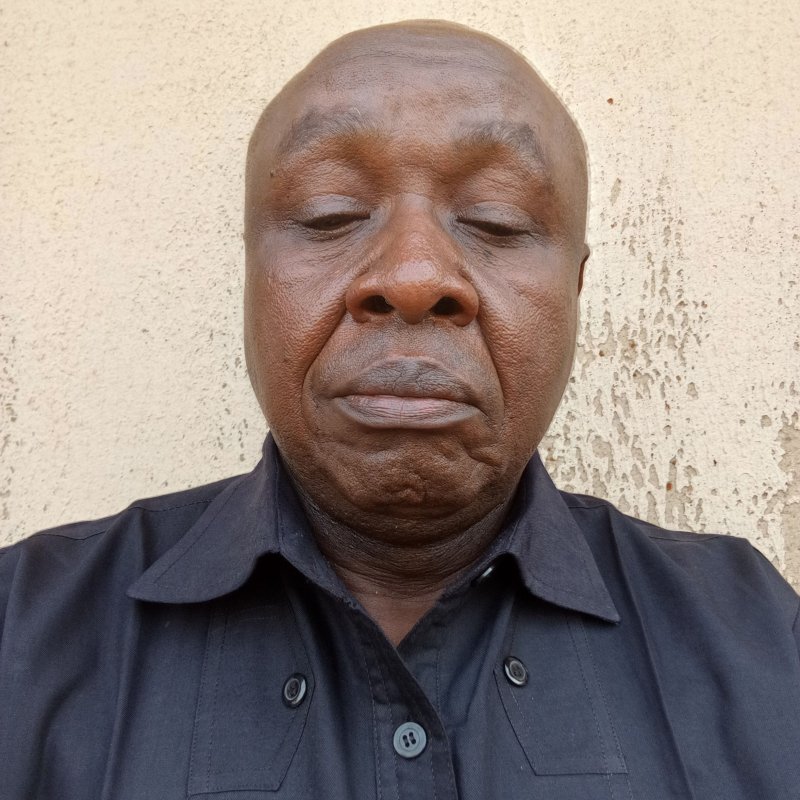
Post by Stephen Onuh Uwodi (@Enefuojo)
ACCOUNTABILITY IS NOT WITCH-HUNTING: PUBLIC OFFICE DEMANDS PUBLIC SCRUTINY
"Some people actually think that every penny a politician spends is from public funds. To them, people are not supposed to acquire property once they join politics. That is why they feel bitter when they see the pictures of Nigerian politicians celebrating their children’s graduation abroad.
When a politician buys a new car, they cry. If he builds/buys a beautiful house, they cry. If they see politicians travelling abroad, they start complaining that he is stealing their money abroad.
Some Nigerians don't want their leaders and their families to be happy. Their happiness is a threat to their own peace of mind, Witchcraft! These blind critics don't know that these men had already built empires before coming into politics. Men like Orji Uzor Kalu, Hope Uzodimma, Engr. David Umahi, Alex Otti, Prof. Charles Soludo... were already swimming in an ocean of wealth before politics. Go and do your research about these men ......"
The statement attempts to portray legitimate public accountability as envy, bitterness, or "witchcraft." That argument is both intellectually weak and fundamentally opposed to the principles of democracy.
Citizens do not question the wealth of politicians simply because they dislike seeing successful people. They ask questions because public office comes with enormous power over public resources, contracts, budgets, and policy decisions. In every functioning democracy, those entrusted with public office are expected to be transparent about their assets and wealth. That is not hatred—it is accountability.
Claiming that some politicians were wealthy before entering politics does not automatically exempt them from scrutiny. If anything, it raises an even greater responsibility to demonstrate that their wealth has remained legitimate and that public office has not been used to expand private fortunes through conflicts of interest, insider deals, or abuse of state resources. A history of wealth is not a lifetime immunity from public questioning.
The statement also creates a false choice by suggesting that critics should simply "better their own lives" instead of questioning leaders. Responsible citizens can pursue personal success while simultaneously demanding integrity from those who govern them. These are not mutually exclusive responsibilities.
Furthermore, reducing legitimate concerns about luxury lifestyles, expensive foreign education, private jets, mansions, and extravagant spending to mere jealousy ignores Nigeria's harsh realities. Millions of Nigerians struggle with poverty, unemployment, poor healthcare, insecurity, and failing public education. It is therefore reasonable—not malicious—for citizens to ask whether those elected to serve them are living modestly, transparently, and in a manner consistent with the sacrifices expected of public servants.
The statement also relies heavily on personal assertions rather than evidence. Saying someone became a billionaire at a certain age or came from a wealthy family is not proof that every asset acquired afterward is beyond question. In a constitutional democracy, facts, documented financial disclosures, and independent oversight—not personal testimonials—are what establish credibility.
Most importantly, criticism of politicians is not an attack on their happiness or their families. Public officials voluntarily accept positions that require greater public scrutiny than private citizens. Accountability is the price of public trust. Citizens have every right to ask difficult questions, demand transparency, and expect leaders to explain their wealth when necessary.
Democracy does not thrive when citizens remain silent. It thrives when leaders are transparent, institutions are strong, and public officials understand that questioning those in power is a civic duty—not an act of hatred. Those who dismiss every criticism as envy or witch-hunting weaken the very accountability that protects public resources and strengthens democratic governance.
Stephen Onuh Uwodi
0 likes · 0 comments · 0 shares