Post by Ceejay Oji (@CeejayOji)
WHITE-WASHING GOVERNANCE: WHEN CITIZENS SETTLE FOR CRUMBS AND LEADERS EXPLOIT THE MEMORY OF SUFFERING
By Ceeejay Oji
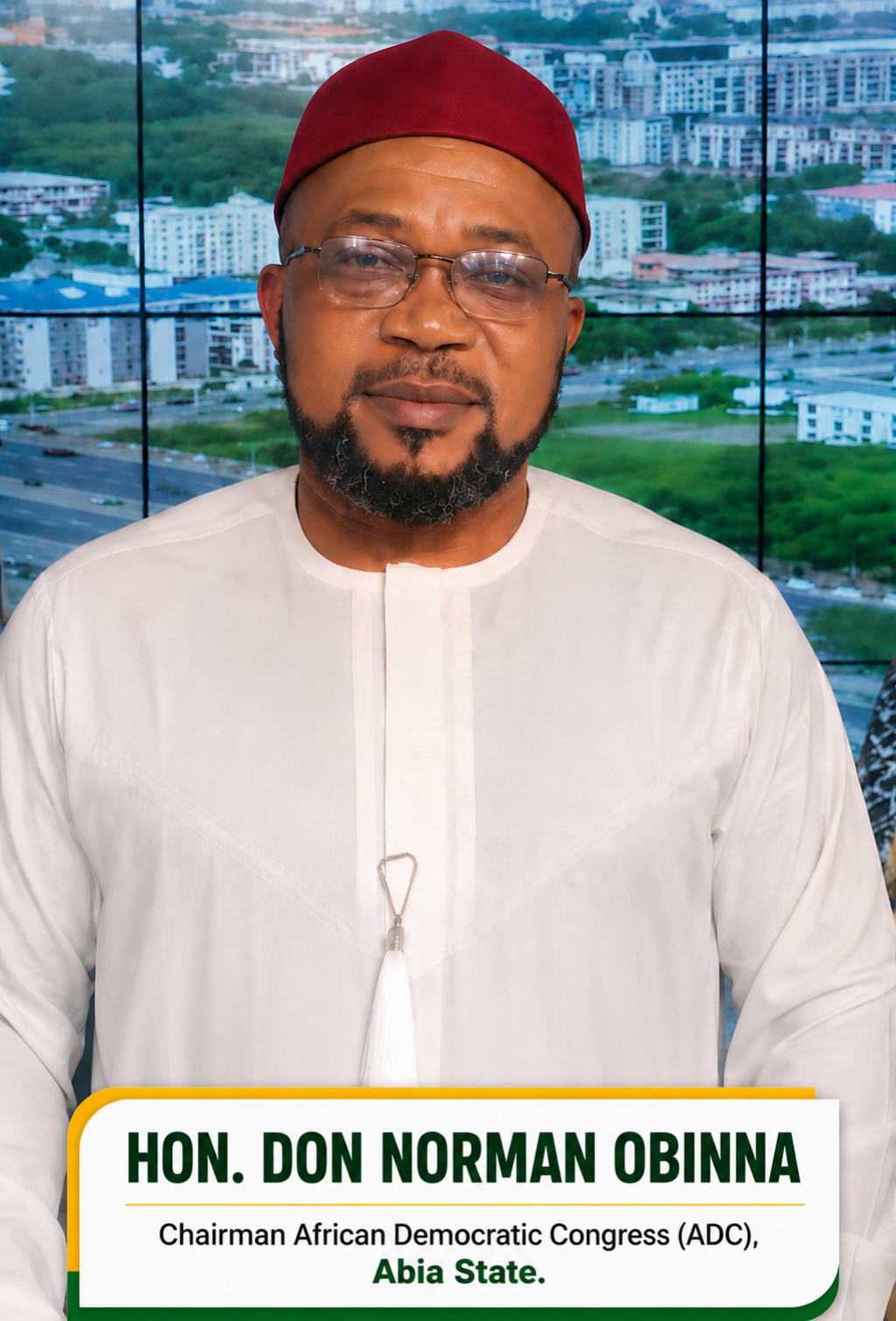
Media Aide to the Chairman, African Democratic Congress (ADC), Abia State
There comes a dangerous stage in the relationship between citizens and government when people, after enduring prolonged hardship, begin to mistake relief for transformation, activity for progress, and survival for development. Governance is no longer measured by promises fulfilled but by comparison with past failures. Expectations fall, standards weaken, and accountability fades. Politicians then discover a powerful truth: a population with a long memory of suffering and a short memory of promises is easier to impress.
This is the politics of white-washing governance.
White-washing governance is not the absence of performance. It is the art of doing just enough to appear transformational while avoiding the deeper reforms genuine development requires. It is repainting a crumbling wall while ignoring the cracked foundation beneath it. It prioritises optics over outcomes, appearances over substance, and applause over measurable progress.
History shows that political manipulation often thrives on public desperation. When citizens have been neglected, abandoned by institutions, and denied the dividends of governance, they become vulnerable to anyone who appears different from their oppressors. Hope becomes political currency, expectations become negotiable, and standards become elastic.
The tragedy is that the suffering which should make citizens more demanding sometimes makes them less demanding.
Nelson Mandela observed that “a critical, independent and investigative press is the lifeblood of any democracy.” The same is true of citizens. Democracy survives not simply because people vote, but because they retain the courage to question those they elected. When criticism becomes a crime and accountability an act of betrayal, democracy begins its decline.
Across Africa and much of the developing world, many governments have mastered the art of governing through comparison rather than performance. Their strongest defence is not what they have achieved, but how terrible their predecessors were. The conversation shifts from “Are we progressing?” to “Were things not worse before?”
That is a dangerous shift.
A nation cannot build its future by constantly comparing itself to its lowest moments. Improvement alone is not excellence. Development must be measured against potential, promises, resources, and opportunities, not merely against previous failures.
Citizens must therefore be cautious when politicians demand gratitude for performing duties they voluntarily sought office to undertake. Leadership is not charity. Government is not philanthropy. Public service is not a favour.
When roads are built, salaries paid, hospitals equipped, and schools renovated, progress should be appreciated. But appreciation must never replace scrutiny. Governments are not elected to be praised for functioning; they are elected to function.
Kwame Nkrumah warned that the forces that unite us are greater than those that divide us. Today, citizens must resist attempts to reduce governance to loyalty rather than performance. Once politics becomes a contest of personalities instead of results, public interest becomes the first casualty.
One of the most effective strategies in modern governance is the management of expectations. A government inherits a broken system, amplifies the failures of its predecessors, presents itself as the solution, and promises transformation. Citizens invest their hopes. Then reality arrives.
The promised revolution becomes a renovation project. Structural reforms become cosmetic interventions. Economic transformation becomes media campaigns. Institutional rebuilding becomes public relations. Grand visions shrink into modest accomplishments.
Yet many citizens remain satisfied because suffering changes perspective.
A hungry man may celebrate a loaf of bread even when he was promised a bakery. A neglected community may applaud the repair of one road when it was promised industrial transformation. Workers owed salaries for months may celebrate regular payment even when prosperity was promised.
This reality is understandable, but it is also politically exploitable.
Chinua Achebe argued that the trouble with many African societies is a failure of leadership. Yet leadership failures persist partly because citizens sometimes reward leaders for delivering far less than they promised. Once standards are lowered, accountability becomes optional.
The problem is not infrastructure rehabilitation or improved services. Governments should do both. The problem arises when maintenance is marketed as transformation, routine governance is presented as innovation, and ordinary responsibilities are sold as extraordinary achievements.
Development is more than fixing what exists. It is creating what does not yet exist. Real progress
0 likes · 0 comments · 1 shares