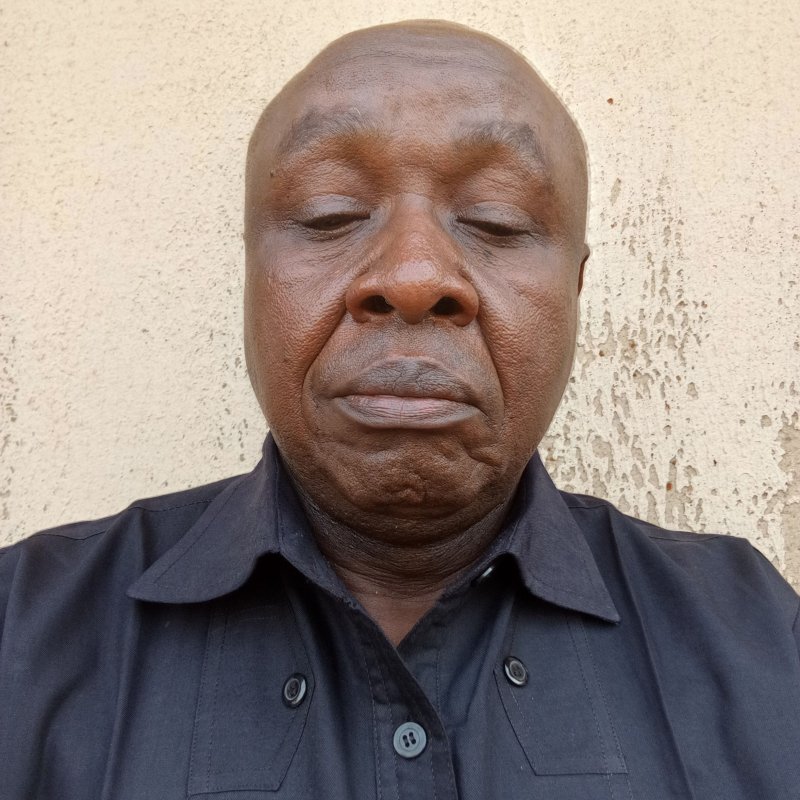
Post by Stephen Onuh Uwodi (@Enefuojo)
THE HEIGHT OF POLITICAL HYPOCRISY: YAHAYA BELLO CANNOT PREACH ACCOUNTABILITY WHILE FACING SERIOUS CORRUPTION ALLEGATIONS
Yahaya Bello's latest threat against so-called "political criminals" is a striking example of the contradiction that has come to define much of Nigeria's political class. It is difficult to accept lectures on political morality from a former governor who is currently standing trial over serious allegations brought by the Economic and Financial Crimes Commission, EFCC. While the allegations remain before the courts and he is entitled to the presumption of innocence, the optics of issuing threats against political opponents while facing such weighty charges are deeply troubling.
When a politician who has been accused of alleged financial crimes running into tens of billions of naira publicly declares that he is "coming after" unnamed "political criminals," many Nigerians will understandably ask whether this is an attempt to intimidate critics rather than strengthen democracy. In a constitutional democracy, political disagreements should be settled through ideas, debates, and the ballot box—not through rhetoric that can be perceived as threatening or capable of inflaming political tensions.
The greatest irony is that Kogi State continues to struggle with developmental challenges, unemployment, poverty, insecurity, and lingering concerns over governance. Rather than addressing legitimate questions about his stewardship as governor, Yahaya Bello appears more interested in branding opponents as criminals. Leadership demands accountability, humility, and respect for democratic dissent—not inflammatory declarations that portray political competition as warfare.
Equally concerning is the message this sends about accountability in Nigeria. A political system that continues to elevate individuals facing serious criminal allegations to prominent elective positions risks eroding public confidence in democratic institutions. Although every accused person deserves a fair trial and should not be presumed guilty before the courts decide, political parties also have a responsibility to uphold ethical standards and protect the integrity of public office. Granting powerful political platforms to individuals under serious corruption prosecution inevitably raises questions about the commitment to fighting corruption.
If the allegations against Yahaya Bello are ultimately disproved in court, he deserves to be cleared. If they are proven, the law should take its full course. That is how the rule of law works. But until those proceedings are concluded, it is difficult to reconcile his posture of portraying himself as a crusader against "political criminals" while simultaneously defending himself against allegations of large-scale financial misconduct.
The bigger question is whether this is helping to normalize a culture where political loyalty outweighs accountability. Nigerians deserve political parties that prioritize integrity, transparency, and public service over the protection of influential figures. Democracy cannot flourish where accusations of corruption are dismissed as mere political inconveniences while those facing trial continue to wield enormous political influence.
Ultimately, this is bigger than Yahaya Bello. It is about the future of Nigeria's democracy and whether public office will continue to be perceived as a shield against accountability. Kogi people—and indeed all Nigerians—deserve leaders whose greatest campaign asset is a proven record of service, transparency, and respect for democratic values, not threats against opponents or reliance on political patronage.
The 2027 elections should be a contest of ideas, competence, and vision for development—not intimidation, political grandstanding, or the normalization of impunity. Nigerians have every right to demand higher ethical standards from everyone seeking public office, regardless of party affiliation or political influence.
Stephen Onuh Uwodi
0 likes · 0 comments · 0 shares