Post by Chidi Nnanna (@Chidy)
Hydration Breaks at the 2026 FIFA World Cup: Protecting Players or Disrupting Football’s Flow?
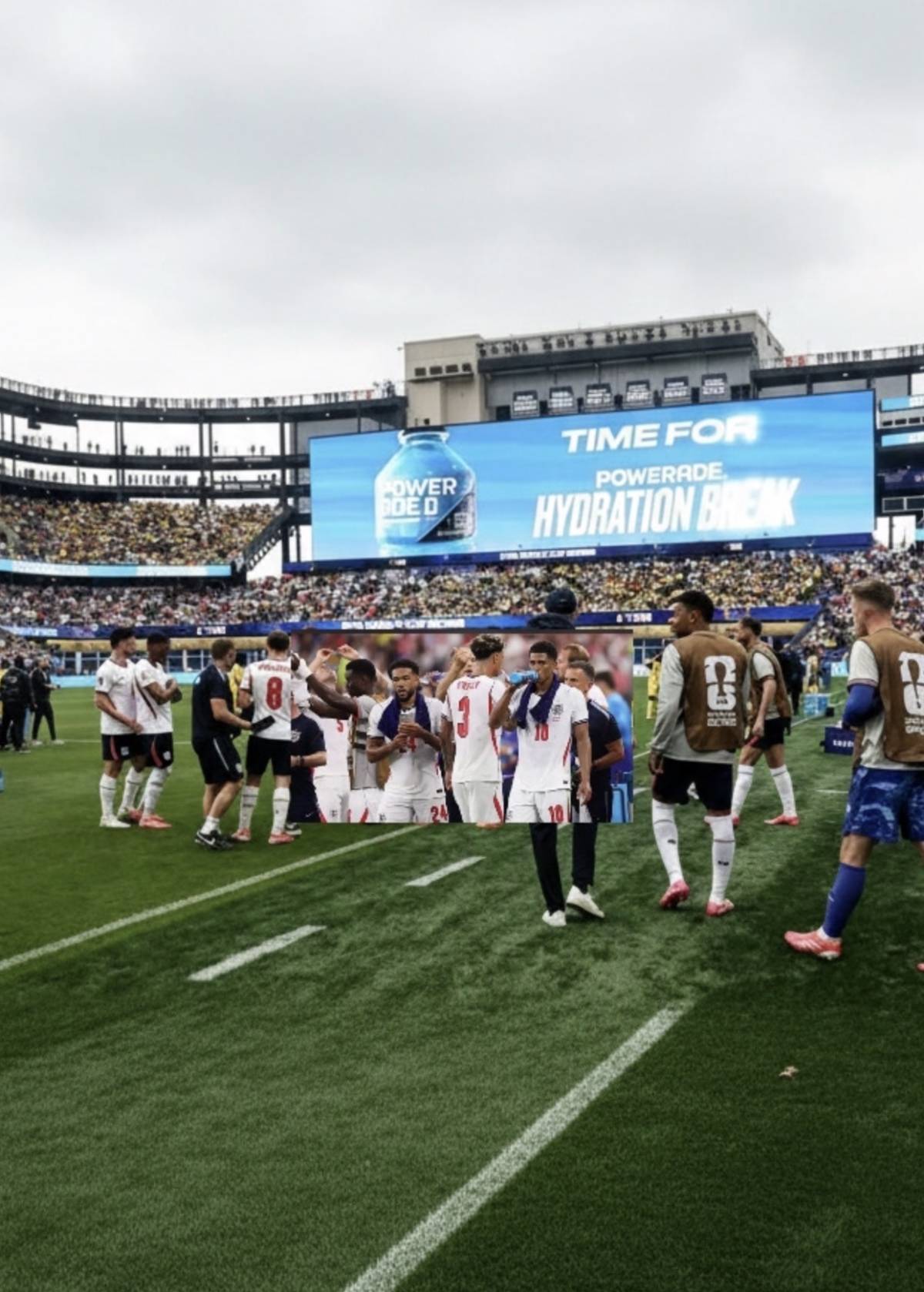
One of the biggest changes at the 2026 FIFA World Cup has been the introduction of mandatory three-minute hydration breaks in every match. While FIFA says the rule is designed to protect players and improve tournament operations, it has sparked intense debate among coaches, players, and fans.
Some see it as a necessary step for player welfare, while others believe it disrupts the rhythm and momentum that make football special.
What Are Hydration Breaks?
Under the new rule:
• Every match has a three-minute break in each half.
• The breaks occur 22 minutes into both halves.
• They apply to all matches, regardless of weather conditions or stadium technology.
According to FIFA, the aim is to improve player safety, especially in hot and humid conditions.
Effects on Players
The breaks allow players to:
• Rehydrate and recover energy.
• Reduce the risk of cramps and heat-related illnesses.
• Regain concentration and make better decisions.
• Receive tactical instructions from coaches.
FIFA President Gianni Infantino even praised England’s use of a hydration break to regroup and mount a comeback against DR Congo.
Effects on the Game
Hydration breaks have effectively become mini timeouts.
Coaches now use them to:
• Change tactics.
• Reorganize their teams.
• Adjust formations and strategies.
This has added a new tactical dimension to football but has also changed the traditional nature of the game.
Effects on Tempo and Momentum
This is where the controversy lies.
Many fans and coaches believe the breaks:
• Slow down the pace of matches.
• Interrupt attacking momentum.
• Allow struggling teams to recover.
• Reduce the free flow and intensity of games.
Uruguay coach Marcelo Bielsa was particularly critical, saying the breaks “add nothing and take away a lot,” arguing that they divide matches into four periods instead of two halves.
The Positives
✅ Better player welfare and safety.
✅ Reduced risk of dehydration and fatigue.
✅ Improved recovery and concentration.
✅ More opportunities for tactical adjustments.
The Negatives
❌ Disrupts the rhythm of football.
❌ Kills momentum for dominant teams.
❌ Makes matches feel fragmented.
❌ Changes the traditional flow of the game.
Suggestions
• Use hydration breaks only in extreme weather conditions.
• Reduce the duration from three minutes.
• Limit tactical coaching during the breaks.
• Allow referees discretion based on conditions.
Conclusion
The hydration-break rule has created one of the biggest debates of the 2026 World Cup. While protecting players must remain a priority, football’s beauty also lies in its continuous flow and momentum.
The challenge for FIFA is finding the right balance between player welfare and preserving the essence of the beautiful game.
Are hydration breaks the future of football, or are they slowly changing the game’s identity?
#FIFAWorldCup2026 #WorldCup2026 #HydrationBreak #Football #PlayerWelfare #MarceloBielsa #GianniInfantino #TheBeautifulGame #FootballDebate
0 likes · 0 comments · 0 shares