Post by Ossa Earliece (@ossa_earliece)
The Future of Electoral Reform in Nigeria
Electoral reforms have always been part of Nigeria’s democratic journey. The introduction of technologies such as electronic voter accreditation and result transmission has already begun modernizing the system.
The next logical debate may revolve around how winners are determined.
A shift toward a 51% majority rule or runoff system could ensure that future presidents emerge with stronger democratic legitimacy and broader national support.
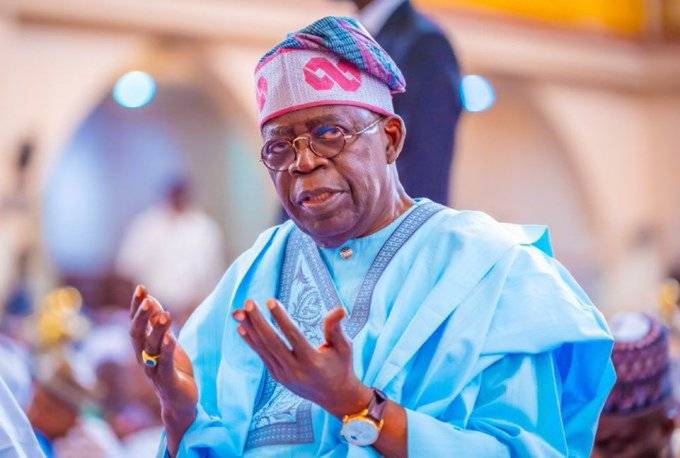
The challenges facing President Tinubu’s administration are not merely political disagreements—they are partly rooted in the electoral arithmetic of the 2023 election.
Winning with less than 40% of the vote in a highly competitive multiparty election inevitably leaves a large segment of voters aligned with the opposition.
As Nigeria’s democracy matures, the country may need to reconsider whether plurality victory is still the best system for electing a national leader.
Ensuring that future presidents secure an absolute majority of votes may strengthen democratic legitimacy, reduce political tensions, and deepen national unity
0 likes · 0 comments · 0 shares