Post by Miebaka Emmanuel Ikiriko (@miebaka86)
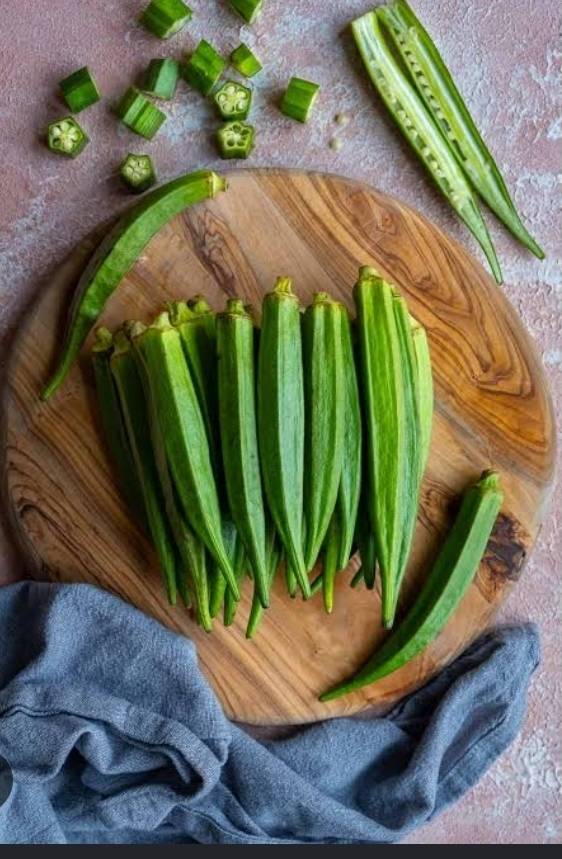
Okra: The Ancient Superfood That's Quietly Powering the Future 🌱
From Ethiopian highlands to your plate—and your bioplastics.
🌍 The Origin Story Nobody Knows
Okra (Abelmoschus esculentus) isn't just "that slimy vegetable" from Southern cooking. It's a 2,000+ year-old crop with roots deep in the Ethiopian highlands and the Nile Valley. Ancient Egyptians cultivated it. It traveled the Silk Road to India, where it became "bhindi"—now the world's largest producer. By the 1700s, it hit the Americas via the transatlantic slave trade, embedding itself into Creole, Cajun, and Southern soul food.
Plot twist: What was once survival food for enslaved people is now a global agricultural powerhouse grown across Africa, South Asia, the Middle East, and the American South.
💪 Nutritional Benefits That Slap
Don't let the slime fool you—okra is a nutrient-dense beast:
Nutrient What It Does
Vitamin C 23mg per cup your immune system armor
Vitamin K 31% DV bone health & blood clotting
Folate Critical for pregnancy & DNA synthesis
Fiber 3.2g per cup—gut health champion
Magnesium & Potassium Blood pressure regulation
Antioxidants Flavonoids + isoquercitrin, fight inflammation
The slime is the secret weapon. That mucilage? It's soluble fiber that:
- Slows sugar absorption (diabetes-friendly)
- Binds cholesterol
- Feeds good gut bacteria
Low calorie, low carb, high impact. A cup has just 33 calories but keeps you full for hours.
🏭 Industrial Uses: The Okra Revolution
Here's where it gets wild. Okra isn't just food anymore, it's industrial raw material:
1. Bioplastics & Packaging
Okra mucilage is being researched as a biodegradable film to replace petroleum-based plastics. Scientists have extracted polysaccharides from okra to create edible coatings for fruits and sustainable food packaging.
2. Water Purification
The same sticky mucilage binds to heavy metals and bacteria. Studies show okra extracts can clarify wastewater and remove contaminants offering a low-cost solution for developing nations.
3. Pharmaceuticals
Okra pectin is being explored for:
- Controlled drug delivery (natural capsule material)
- Anti-diabetic supplements (the fiber slows glucose spikes)
- Anti-inflammatory compounds
4. Textile & Paper Industry
Okra fiber has been tested as a pulp additive and even as a component in bio-composites think car panels made from plants instead of fiberglass.
5. Cosmetics
That hydrating slime? It's basically nature's hyaluronic acid. Okra extract is already appearing in moisturizers and hair conditioners for its film-forming, hydrating properties.
🔥 Why This Matters Now
We're living in a climate + health crisis. Okra checks every box:
- ✅ Drought-tolerant (survives where other crops fail)
- ✅ Fast-growing (60 days to harvest)
- ✅ Zero-waste crop (pods, leaves, seeds, stems, roots—all usable)
- ✅ Fixes nitrogen in soil (improves land for other crops)
- ✅ Thrives in heat (climate-resilient agriculture)
The same plant feeding families in Lagos is now being studied in MIT labs. That's not just versatile, that's revolutionary.
🍽️ The Bottom Line
Okra went from:
> Ancient Ethiopian crop → survival food of the diaspora → trendy "superfood" → industrial biotechnology feedstock
This isn't just a vegetable. It's a case study in how the plants we've underestimated might save us.
Next time someone wrinkles their nose at gumbo or bhindi masala, tell them they're looking at the future of sustainable industry.
Drop a 🌱 if you're team okra now.
0 likes · 0 comments · 0 shares