Post by Làgídìgbò (@aHeritager)
NELFUND AND THE FUTURE OF EDUCATION: A BOLD STEP OR A BURDEN DEFERRED?
#aHeritager
------
Educational loans should not merely finance degrees; they should empower a generation. The challenge before government is to ensure that today's student beneficiaries become tomorrow's productive citizens capable of driving Nigeria's economic and social progress.
------
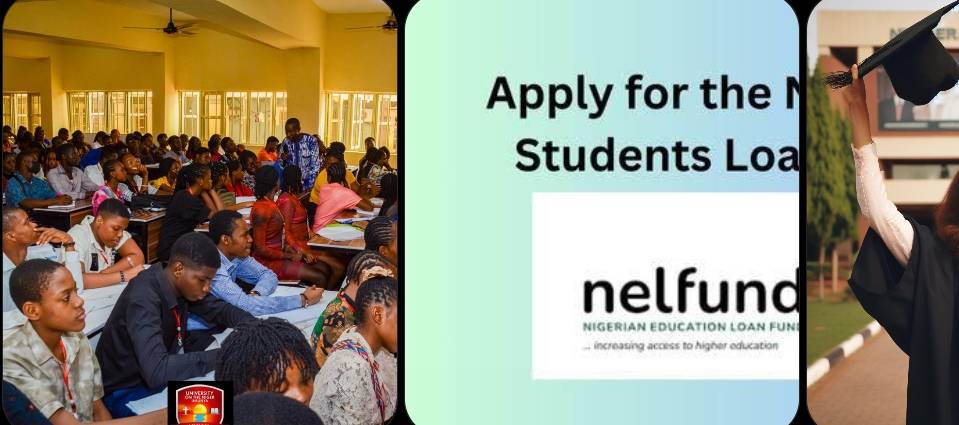
One of the most ambitious social intervention programmes introduced by the Federal Government in recent years is the Nigerian Education Loan Fund (NELFUND), the student loan initiative established under the administration of President Bola Ahmed Tinubu. Designed to provide interest-free educational loans to students in public tertiary institutions, the scheme seeks to remove financial barriers that have prevented many young Nigerians from accessing higher education.
The programme has already recorded remarkable participation, with more than 1.7 million applications and over ₦206 billion reportedly disbursed to over 1.1 million beneficiaries. These figures underscore the enormous demand for educational support in a country where rising tuition fees, inflation, and economic hardship have placed higher education beyond the reach of many families.
Perhaps the greatest strength of the scheme is its accessibility. By paying institutional fees directly to universities, polytechnics, and colleges, the programme helps prevent students from dropping out due to financial difficulties. The monthly upkeep allowance further assists students in meeting basic living expenses, reducing the pressure on parents and guardians already struggling with economic challenges.
Another major advantage is the interest-free nature of the loans. Unlike commercial lending facilities that often burden borrowers with high interest rates, NELFUND allows students to focus on their studies without the fear of escalating debt. The provision that repayment begins only two years after the completion of the National Youth Service Corps (NYSC) programme also offers graduates time to secure employment and establish themselves economically.
Beyond individual beneficiaries, the initiative has wider national implications. Increased access to tertiary education can improve human capital development, enhance workforce productivity, reduce educational inequality, and contribute to long-term economic growth. A nation that invests in its youth invests in its future.
However, the programme is not without concerns.
One challenge is sustainability. As the number of beneficiaries grows, the financial demands on government resources will increase significantly. Questions may arise regarding how future administrations will maintain adequate funding and ensure the programme remains viable over the long term.
Another concern relates to repayment. Nigeria's youth unemployment and underemployment rates remain significant. If graduates struggle to secure stable jobs, loan recovery may become difficult, potentially affecting the financial sustainability of the scheme. Without an effective repayment framework, future generations of students may face challenges accessing the same benefits.
There are also concerns about transparency, verification, and administrative efficiency. Large-scale social programmes often face risks of fraud, duplication of records, identity manipulation, and bureaucratic delays. Continuous monitoring and accountability mechanisms will therefore be essential.
To strengthen the initiative, several improvements should be considered. First, government should integrate the programme with job creation and graduate employment strategies to improve beneficiaries' ability to repay. Second, a robust digital tracking and verification system should be maintained to prevent abuse. Third, regular public reporting on disbursement, repayments, and programme performance would enhance transparency and public confidence.
Furthermore, financial literacy training should be incorporated into the programme so that beneficiaries understand their responsibilities and develop sound financial habits. Partnerships with private-sector employers could also help connect graduates to employment opportunities after graduation.
Overall, NELFUND represents one of the most significant educational reforms in contemporary Nigeria. While legitimate concerns about sustainability and implementation remain, the programme has already provided hope and opportunity to hundreds of thousands of students who might otherwise have been excluded from higher education.
The true measure of its success, however, will not be the amount disbursed but the number of educated, skilled, productive citizens it helps to create. If properly managed and continuously improved, the student loan scheme could become one of the most transformative investments in Nigeria's future.
For a nation seeking development, few investments are more important than investing in education.
#aHeritager #Trending #ClimateAction #SafeCommunities #Nigeria
0 likes · 0 comments · 0 shares