Post by Làgídìgbò (@aHeritager)
WORLD CUP 2026: AS THE GIANTS PREPARE FOR GLORY, WHAT DOES NIGERIA STAND TO GAIN OR LOSE?
#aHeritager
------
World Cups are won on the field, but they are prepared for in-the-classrooms, academies, boardrooms, and training grounds years before the tournament begins. Nigeria's challenge is not a lack of talent—it is building a system worthy of that talent.
------
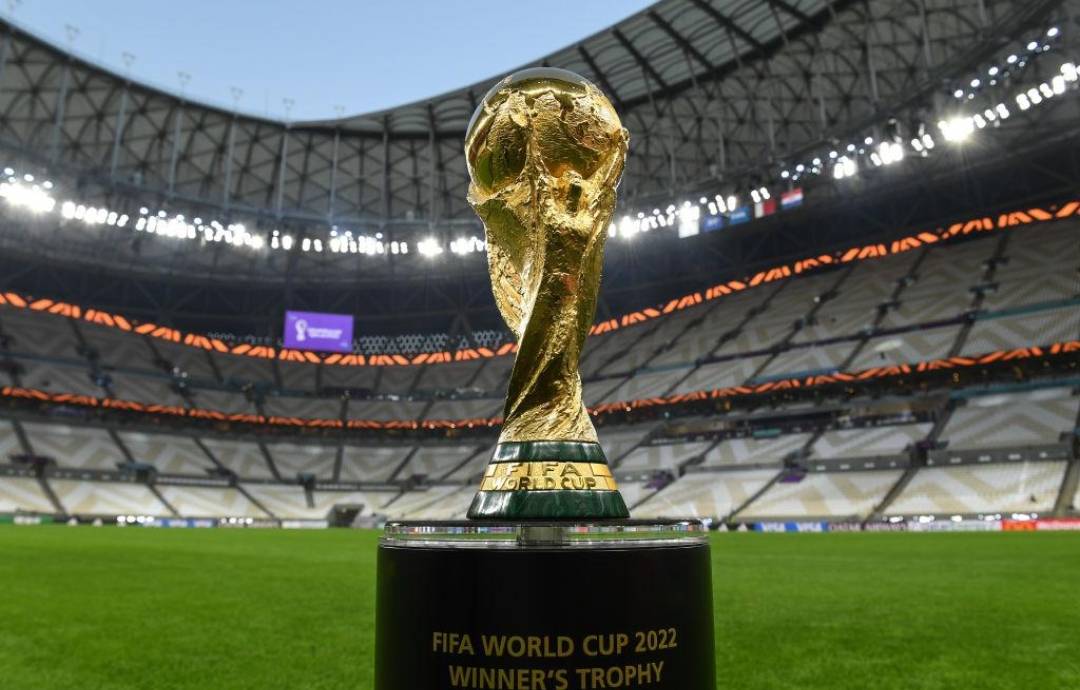
The road to the 2026 FIFA World Cup is gathering momentum, and football analysts across the globe are already debating which nation is most likely to lift the famous trophy. Current projections place Spain and France among the leading favourites, followed closely by England, Brazil, and defending champions Argentina. With their blend of youth, experience, tactical discipline, and world-class talent, these football powerhouses appear well-positioned for another memorable campaign.
Yet while football fans discuss favourites and dark horses, Nigeria faces a more fundamental question: how can Africa's most populous nation ensure that it remains a consistent participant rather than a spectator at the world's biggest sporting event?
The expanded 2026 FIFA World Cup presents both an opportunity and a warning. On one hand, Africa has received more qualification slots than ever before, increasing the chances for nations such as Nigeria to reach the tournament. On the other hand, repeated qualification struggles in recent years have exposed weaknesses that require urgent attention.
The greatest loss Nigeria suffers whenever it misses the World Cup is not merely sporting disappointment. The country loses international visibility, commercial opportunities, tourism promotion, youth inspiration, sponsorship revenue, and a valuable platform for national unity. During major tournaments, football has historically brought Nigerians together across ethnic, religious, and political divides. Few national events generate such collective enthusiasm.
The economic implications are also significant. World Cup participation increases global exposure for players, attracts investment into local football development, and creates opportunities for sports-related businesses. Young talents gain international recognition, while the nation benefits from positive global attention.
To return consistently to the global stage, Nigeria must adopt a long-term football development strategy rather than relying on last-minute qualification campaigns. Grassroots football requires renewed investment. School sports competitions should be revived and properly funded. Football academies should be encouraged to identify and develop talent from every part of the country.
Equally important is administrative stability. Frequent changes in coaching personnel, disputes within football administration, and inconsistent planning have often undermined progress. Successful football nations build strong institutions that outlast individual players and coaches.
The domestic league must also become a priority. A vibrant national league creates a steady pipeline of talent, attracts sponsorship, improves coaching standards, and strengthens the overall football ecosystem. Countries such as Spain, England, France, and Brazil continue to benefit from robust domestic competitions that support national team success.
Sports infrastructure is another critical area. Modern training facilities, quality pitches, sports science programmes, and youth development centres are no longer luxuries but necessities in modern football. Nations that invest heavily in these areas tend to reap long-term rewards.
As the football world prepares for another spectacular World Cup, Nigeria should view the tournament not only as a competition but also as a lesson. The nations expected to challenge for the trophy today are the same nations that invested systematically in youth development, coaching education, infrastructure, and administration years ago.
The Super Eagles possess talent. What remains is the creation of a football system capable of consistently transforming that talent into success.
The dream of future World Cup glory will not be built during qualification matches alone. It will be built on school fields, community pitches, football academies, administrative reforms, and long-term planning.
For Nigeria, the journey to the next World Cup begins long before the opening whistle. And the decisions made today may determine whether the nation competes among football's elite tomorrow.
#FIFAWorldCup
#aHeritager #Trending #ClimateAction #SafeCommunities #Nigeria #ProtectOurFuture #BringBackOurChildren
0 likes · 0 comments · 0 shares