Post by Làgídìgbò (@aHeritager)
NIGERIA: Giant of Africa or Giant Asleep? The Football Lessons of a Nations
#aHeritager
For decades, Nigerians proudly referred to their country as the "Giant of Africa." The title was earned through population, economic potential, cultural influence, sporting achievements, and leadership on the African continent. During the 1970s and 1980s, Nigeria's voice carried significant weight in Africa and beyond. Whether in diplomacy, education, entertainment, or sports, the nation commanded attention and respect.
Today, however, many citizens are asking a painful question: Is Nigeria still living up to that title?
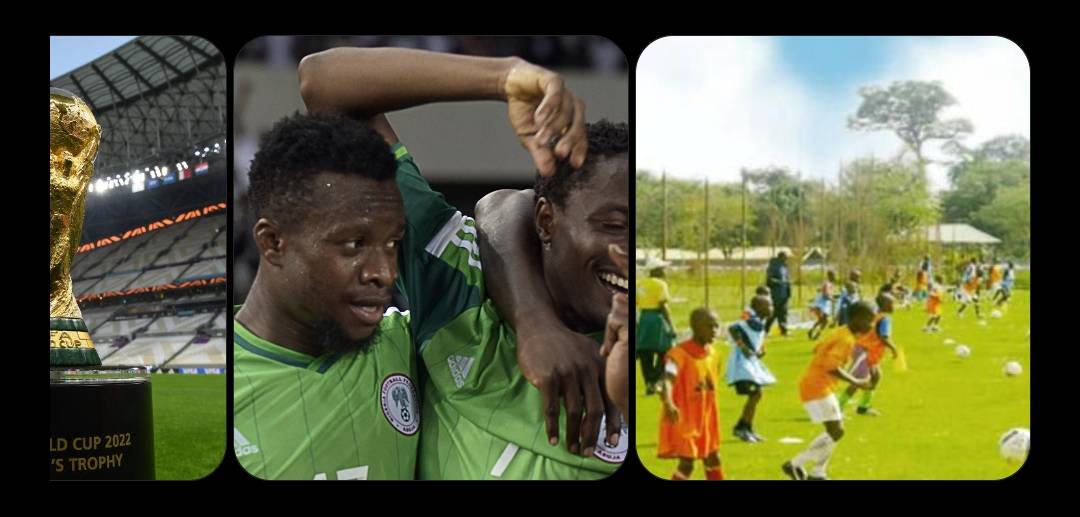
The concern is understandable. In a few days, the world's finest footballers will gather for another global football fiesta, yet Nigeria will once again be watching from the sidelines. For a nation blessed with immense football talent, repeated failures to qualify consistently for major tournaments raise serious concerns about the direction of our football development.
The problem is not a lack of talent. From grassroots communities to professional leagues abroad, Nigerian players continue to demonstrate exceptional ability. Indeed, some of the finest footballers in Europe trace their roots to Nigeria. The challenge lies elsewhere.
Where Have We Gone Wrong?
One major weakness has been inconsistency in planning and administration. Football development cannot depend solely on natural talent. Successful football nations build long-term systems that survive changes in leadership.
Another challenge is inadequate investment in grassroots football. Across the country, many talented young players train on poor pitches with limited access to coaching, medical support, and modern facilities. Countless future stars disappear before their talents can be properly discovered and nurtured.
The domestic league also requires significant improvement. A strong national team is often built upon a strong local league that develops players, coaches, referees, and administrators.
Furthermore, politics and administrative disputes have too often distracted attention from football development. Selection controversies, leadership crises, and short-term thinking have repeatedly undermined progress.
What Must Be Put in Place?
Nigeria must adopt a football development blueprint extending over ten to fifteen years.
First, football academies should be established and supported in all six geopolitical zones. These academies should combine sports training with formal education.
Second, modern football facilities must be developed across the federation. Quality pitches, training centers, sports science laboratories, and medical facilities are no longer luxuries but necessities in modern football.
Third, coaching development deserves special attention. Great players require great coaches. Nigeria must invest in coaching education and continuous professional development.
Fourth, school sports competitions should be revived and expanded. Historically, many Nigerian football legends emerged through school tournaments that have gradually lost prominence.
The Role of Government
The government cannot score goals on the field, but it can create the environment for success.
Public authorities should provide infrastructure, ensure transparency in sports administration, encourage private investment, and support youth development programs. Sports should be viewed not merely as entertainment but as a tool for national unity, employment creation, youth empowerment, and international prestige.
Government should also establish policies that protect sports institutions from excessive political interference while ensuring accountability in the management of public funds.
Can Nigeria Win the Next AFCON and FIFA World Cup?
The answer is yes—but only if preparation begins now.
Winning the next Africa Cup of Nations is achievable. Nigeria possesses the talent pool, football heritage, and competitive spirit required to challenge any team on the continent.
Winning the FIFA World Cup is a more demanding ambition, but not an impossible dream. Nations once considered outsiders have transformed themselves into global football powers through strategic planning, disciplined execution, and sustained investment.
The lesson is simple: football success is not built during qualification campaigns; it is built years before through vision, planning, infrastructure, and youth development.
Nigeria remains a giant by potential. The challenge before us is to awaken that giant. If the nation can combine talent with proper leadership, sound administration, and long-term investment, the day may yet come when the Super Eagles not only qualify for the world's biggest tournaments but stand among their champions.
That is the Nigeria millions of citizens still believe is possible.
#FIFAWorldCup #Football
#WorldEnvironmentDay #ClimateAction #SafeCommunities #Nigeria #ProtectOurFuture #BringBackOurChildren #aHeritager
0 likes · 0 comments · 0 shares
Comments
Secondly nepotism in sports should be avoided.