Post by Làgídìgbò (@aHeritager)
WHEN SHOULD ELDERS SPEAK? RELIGION, AGE AND THE NIGERIAN QUESTION
#aHeritager
As Nigeria grapples with insecurity, economic hardship, political polarization, and growing public frustration, a new debate has emerged. Should religious leaders and elder statesmen speak out and put pressure on the government when national crises occur, or should they remain silent and stay away from politics?
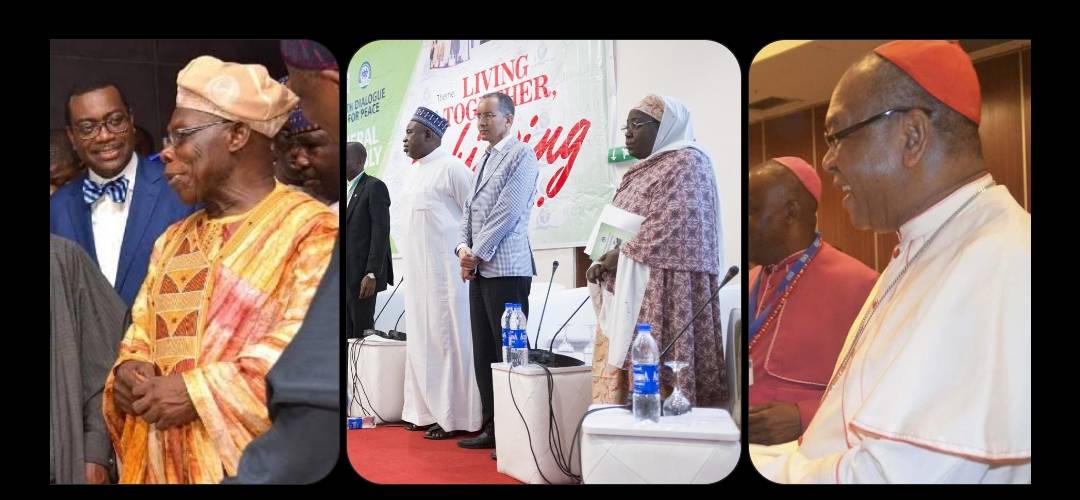
The controversy intensified following calls for influential religious leaders across denominations to use their moral authority to advocate for the speedy release of abducted citizens and demand greater government action. While some Nigerians welcomed such intervention, others argued that religion has no place in politics and that clerics should restrict themselves to spiritual matters.
Closely linked to this debate is another troubling trend: the selective use of age as a weapon against public figures.
Some critics have argued that Pastor Enoch Adejare Adeboye, at 84, is too old to comment on national affairs. Yet many of the same voices had no difficulty attacking the late Ayo Adebanjo when he continued speaking on political issues into his nineties. This apparent contradiction raises an important question: Is age truly the issue, or is disagreement with a person's views the real concern?
The Argument Against Religious Intervention
Those who oppose religious involvement in national affairs insist that religion and politics should remain separate. They fear that clerics who openly engage in political matters may divide their congregations, weaken their spiritual focus, or be perceived as partisan actors.
Supporters of this view argue that elected officials, not religious leaders, possess the constitutional mandate to govern. They warn that excessive religious involvement in political debates could deepen existing social and ethnic tensions.
This position deserves consideration. Democracies function best when institutions respect their constitutional boundaries.
The Argument For Religious and Moral Voices
On the other hand, supporters of religious engagement argue that speaking about justice, security, corruption, poverty, and the protection of human life is not partisan politics—it is a moral responsibility.
Throughout history, faith leaders have often served as the conscience of society. When innocent citizens are kidnapped, communities are attacked, or governance appears inadequate, many believe religious leaders have a duty to speak on behalf of the vulnerable and the voiceless.
Advocates of this position maintain that silence during national emergencies can be interpreted as indifference. They therefore encourage religious leaders to promote peace, accountability, and compassion without becoming agents of any political party.
The Age Question and The Charge of Double Standards
The debate becomes more complicated when age is introduced as a basis for dismissing opinions.
A society that respects experience should be cautious about assuming that age automatically disqualifies a citizen from contributing to public discourse. Wisdom, patriotism, and sound judgment are not determined solely by age. Likewise, old age does not make every opinion correct.
The real test should be the merit of an argument, not the age of the person presenting it.
If a 96-year-old elder statesman can be criticized for his views, then an 84-year-old religious leader should also be evaluated on the substance of his comments rather than his age. Conversely, if society values the experience of elders when their views align with our preferences, it should extend the same respect when disagreements arise.
Otherwise, age becomes merely a convenient tool for political convenience rather than a principled standard.
A Nationally Responsible Position
Nigeria's current challenges require less hostility and more sincerity. Religious leaders, traditional rulers, elder statesmen, civil society groups, academics, and ordinary citizens all have legitimate roles in shaping national conversations.
The crucial distinction is that none of these groups should seek to replace democratic institutions. Rather, they should contribute wisdom, encourage accountability, promote peace, and defend the sanctity of human life.
At a time when insecurity threatens communities and kidnappings continue to traumatize families, the country benefits from every responsible voice calling for justice, restraint, and effective governance.
The preservation of Nigeria's peace and unity must remain the highest priority. Public debate should focus on ideas, solutions, and national interest—not on the age, ethnicity, religion, or political preferences of those participating in the discussion.
A mature democracy does not silence elders because they are old, nor does it automatically accept their views because they are old. It listens respectfully, evaluates arguments fairly, and chooses the path that best serves the common good.
That standard should apply to everyone.
0 likes · 0 comments · 2 shares