Post by Làgídìgbò (@aHeritager)
CASH, CARS AND CONFIDENCE: THE PRICE OF POLITICS IN HARD TIMES
#aHeritager
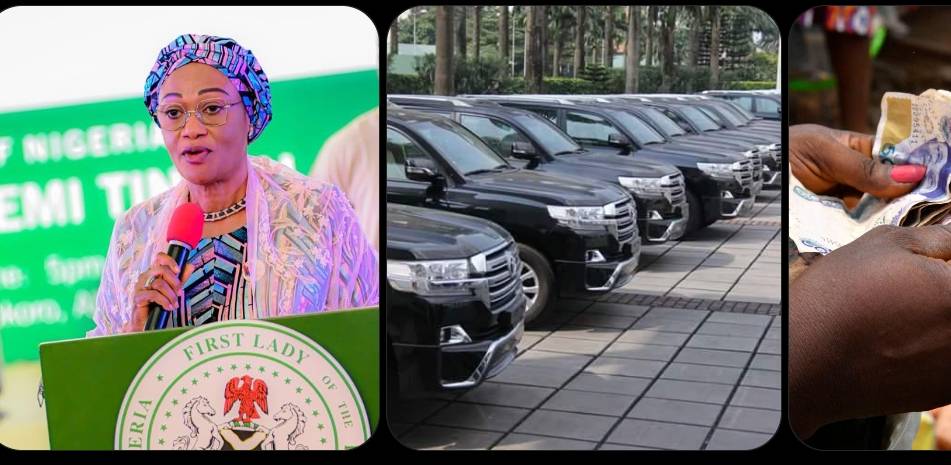
At a time when many Nigerians are struggling with rising food prices, unemployment, insecurity, and a high cost of living, reports of political leaders distributing vehicles, displaying luxury lifestyles, or allegations of money-for-votes during political contests often generate strong public reactions. Whether such actions are lawful or not, they raise important questions about priorities, accountability, and public trust.
One of the greatest dangers of "cash-and-carry" politics is the gradual erosion of democracy. When money becomes the deciding factor in political contests, competence, integrity, and public service may become secondary considerations. Candidates with deep pockets gain an unfair advantage, while capable individuals without financial influence are pushed aside. In the long run, elected officials may feel accountable to political financiers rather than to ordinary citizens.
Vote-buying or the perception of vote-buying also weakens confidence in democratic institutions. Citizens begin to believe that elections can be influenced by financial inducements rather than by ideas, policies, and performance. Such a perception discourages civic participation and creates cynicism among voters, especially young people.
Lavish lifestyles by public officials during periods of economic hardship present another challenge. Leadership is not only about policy; it is also about symbolism. When public office holders are seen living in luxury while millions struggle to afford basic necessities, the gap between government and the governed appears wider. Such displays may fuel public resentment and deepen feelings of inequality and exclusion.
The risks become even greater when insecurity remains a national concern. Communities facing kidnapping, violent crime, and social instability expect government resources and attention to be directed primarily toward security, job creation, education, healthcare, and infrastructure. Extravagant spending, whether real or perceived, can create the impression that leaders are disconnected from the daily realities faced by citizens.
Furthermore, a nation that continues to borrow heavily while many citizens endure economic hardship must demonstrate fiscal discipline and prudence. Public confidence grows when leaders are seen making sacrifices alongside the people. It weakens when citizens are asked to endure hardship while public officials appear insulated from the consequences.
The solution lies not only in laws but also in leadership by example. Political parties should strengthen internal democracy, electoral authorities should vigorously enforce rules against vote-buying, and public officials should embrace transparency and modesty in the use of public resources. Most importantly, leaders must demonstrate that public office is a responsibility to serve, not an opportunity for privilege.
A healthy democracy depends on trust. When citizens see integrity, accountability, and empathy in their leaders, confidence grows. When politics becomes associated with money, luxury, and privilege, that trust is placed at risk. Nigeria's future will be stronger when leadership is measured not by the number of vehicles distributed or the wealth displayed, but by the quality of life experienced by ordinary citizens.
#BringThemHome #WorldEnvironmentDay #ClimateAction #SafeCommunities #Nigeria #ProtectOurFuture #BringBackOurChildren #aHeritager
0 likes · 0 comments · 0 shares