Post by West Midland Abbey (@WEST1)
The Nigerian Food Guide to Overcoming Constipation
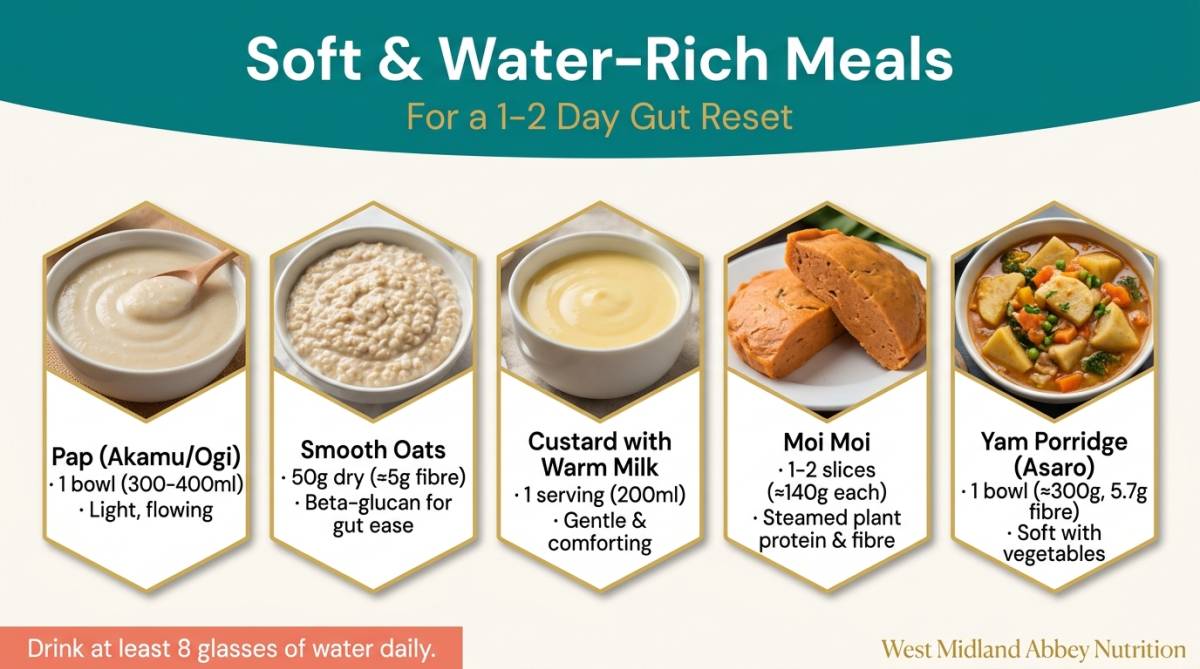
Good evening everyone. I hope we all had a restful and productive day. Earlier today I posted about constipation and many of us engaged beautifully, and I sincerely appreciate every one of you who took the time to respond. As promised, the food guide is here.
But before you scroll straight to the list, please pause and read this first, because a list without context is just information, and you can find that anywhere. What I want for this community is something more intentional and more personal, something that speaks directly to our reality and our plates, not generic advice that any search engine can produce.
The Real Problem Is Not Always What We Eat
Let us be honest with each other. Most constipation cases among Nigerians are not simply about eating the wrong foods. They are about the pattern, texture, and weight of what we send into our digestive system, and critically, when we send it. Some of us eat fibre-rich meals every single day and still struggle with bowel movement. That tells us the problem runs deeper than just food choice.
Here is a practical example we can all relate to. Oats, milk, and berries for breakfast. Pounded yam with egusi soup and fish for lunch. Sweet potatoes, boiled eggs, and avocado with mixed vegetables for dinner. Now let us examine that structure honestly. Is it balanced? Yes. Does it contain fibre? Absolutely. Yet some of us eating exactly this way are still unable to open our bowels regularly.
Why?
Because a constipated gut is not a normal gut. It is a fatigued and overwhelmed gut. At that point, the issue is no longer simply about the nutritional content of your meals. It is about the texture and density of what you are asking a struggling digestive system to process. Your gut is not asking for more of the same heavy, solid food. It is asking for something lighter, softer, and far more forgiving.
What Our Bodies Are Actually Asking For
When constipation sets in, our digestive system requires a temporary reset, not a permanent dietary overhaul. This means intentionally transitioning from heavy, solid meals to soft, light, and water-rich foods for just one to two days. Clinically, this serves as a short digestive recovery window, a targeted nutritional intervention designed to stimulate peristalsis, hydrate the stool from within, and restore our natural bowel rhythm.
A simple way to visualise it is this. Our gut at this point resembles a blocked drain. Pouring more heavy material into it will not clear the blockage. What we need first is something gentle and fluid to loosen things up from the inside. That is precisely what the food list attached to this post is designed to provide.
What We Should Avoid During This Reset Period
Before we look at what to eat, let us be equally clear about what to step away from. This is not the time for stone-hard fufu, heavily pounded yam, or large portions of any thick swallow. And I want to acknowledge something important here. Yes, these foods contain fibre, and yes, the earlier post recommended fibre. But when the gut is already constipated and overwhelmed, these foods demand more digestive effort than the system can currently manage, and they will slow things down further rather than help. They need to be reduced or eliminated for just one to two days. Fried foods, highly processed snacks, and anything low in water content should equally be set aside during this short reset window. Our gut needs space and gentleness right now, not more work.
Now go ahead and check the food list. Every item on it has been chosen with our bodies, our budget, and our Nigerian kitchens in mind.
Thank you for taking the time to read this carefully. Wishing every one of us a peaceful and restful night. 🤍
0 likes · 0 comments · 0 shares