Post by West Midland Abbey (@WEST1)
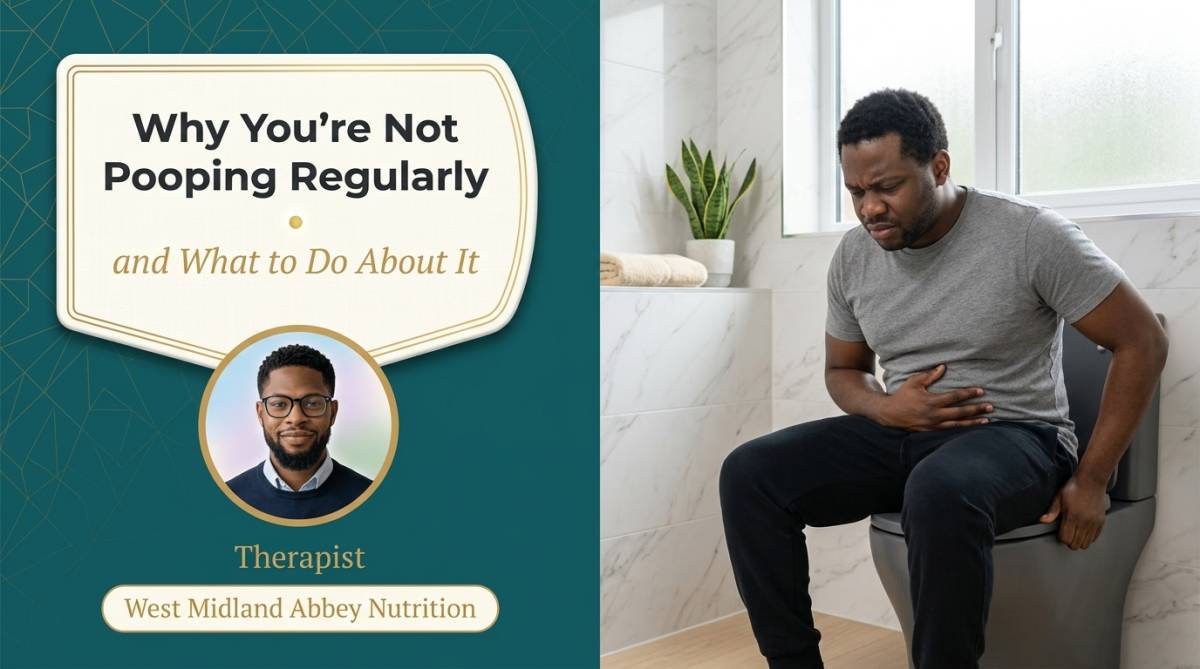
When last did you visit the toilet, not for a quick one, but for the real deal? The full sit-down, number two visit? Think about it for a moment.
If you are struggling to remember, or if the last time you tried nothing came out, then this post is exactly for you. Let us talk about constipation, what it is, what causes it, and most importantly, what you can do about it today.
So What Exactly Is Constipation?
Simply put, constipation means your bowel has not been opening the way it should. You have not been able to poop properly, and your body is holding onto waste it was designed to release. For some people it has been a few days. For others, it has been longer than they would like to admit.
And if you have ever experienced that heavy, bloated, uncomfortable feeling that just will not go away, you already know how much it affects not just your stomach, but your mood, your energy, and your overall sense of wellbeing.
What Causes Constipation?
Most of the time, the causes are closer to home than we think, and well within our control.
Causes Within Your Control
Not drinking enough water. Your body needs fluid to keep things moving. When you are dehydrated, your intestines absorb water from your stool, making it hard, dry, and difficult to pass.
Not eating enough fibre. Fibre is what adds bulk to your stool and keeps your digestive system moving like a well-oiled engine. Without it, everything slows down.
Not moving your body enough. Physical activity stimulates the muscles in your intestines. When you sit for long hours without exercise, your gut slows down right along with you.
Ignoring the urge. When nature calls and you are in the middle of a meeting or a conversation, many of us hold it in. Do that too often, and your body eventually stops sending the signal as clearly as it once did.
Causes Outside Your Control
To be fair, not every case of constipation is within your control. Some contributing factors include the following.
Certain health conditions such as an underactive thyroid, irritable bowel syndrome, and diabetes can significantly slow down your bowel movement.
Some medications, particularly certain painkillers, iron supplements, and antidepressants, are well known for causing constipation as a side effect.
If you suspect either of these applies to you, a conversation with your doctor is the right and most important next step.👨⚕️👩⚕️
How to Manage and Overcome Constipation
The good news is that for most of us, the solution is simpler than we expect. Here is what works.
Eat more fibre-rich foods. As Nigerians, we are surrounded by some of the best gut-friendly foods in the world. I will be sharing a detailed list of Nigerian foods rich in fibre later this evening, so stay tuned for that.
Drink more water. Aim for at least eight glasses a day, and more if you are in the heat or exercising regularly.
Move your body daily. Even a brisk thirty minute walk each day makes a meaningful difference to your digestive health.
Never ignore the urge. When your body tells you it is time, honour that signal. No conversation, no meeting, and no moment of inconvenience is worth the discomfort of holding it in.
A Final Word
Your gut health is not a small thing. It is deeply connected to your immunity, your mental clarity, your energy levels, and your overall quality of life. Take care of it with the same seriousness you bring to every other part of your health.
This evening I will compile a full list of Nigerian foods that will help keep things moving naturally. Stay tuned, and in the meantime, go drink a glass of water. Your bowel will thank you. 🥗🩺
0 likes · 0 comments · 0 shares
Comments
Look forward to the post in the evening ✨