Post by POULTRY AND FISHERY (@poufish)
AS A POULTRY BEGINNER
1. Educate Yourself and Plan
Get training first: Attend workshops, visit successful farms, or learn from experienced farmers. Avoid jumping in without knowledge—common beginner mistakes include poor biosecurity and feed management.
🎯 Decide your focus:
Broilers (meat birds): Faster turnover (6-8 weeks), good for quick cash.
Layers (egg production): Longer cycle but steady income from eggs.
Or dual-purpose/noilers in some regions.
🎯 Write a simple business plan: Estimate costs (land/housing, chicks, feed, vaccines, equipment), expected revenue, and break-even point. Factor in local demand, competition, and prices.
🎯 Research regulations: Check local zoning, permits, biosecurity rules, and any licenses needed (especially relevant in Nigeria).
2. Secure Resources and Location
Capital and funding: Calculate startup needs realistically. Start small (e.g., 50-200 birds) to minimize risk. Include land/housing, chicks, feed (biggest ongoing cost), equipment, and vaccines.
Choose a good site: Dry, well-drained land away from residential areas (for odor/noise), with good ventilation, access to water/electricity, and security. Backyard is possible for very small starts.
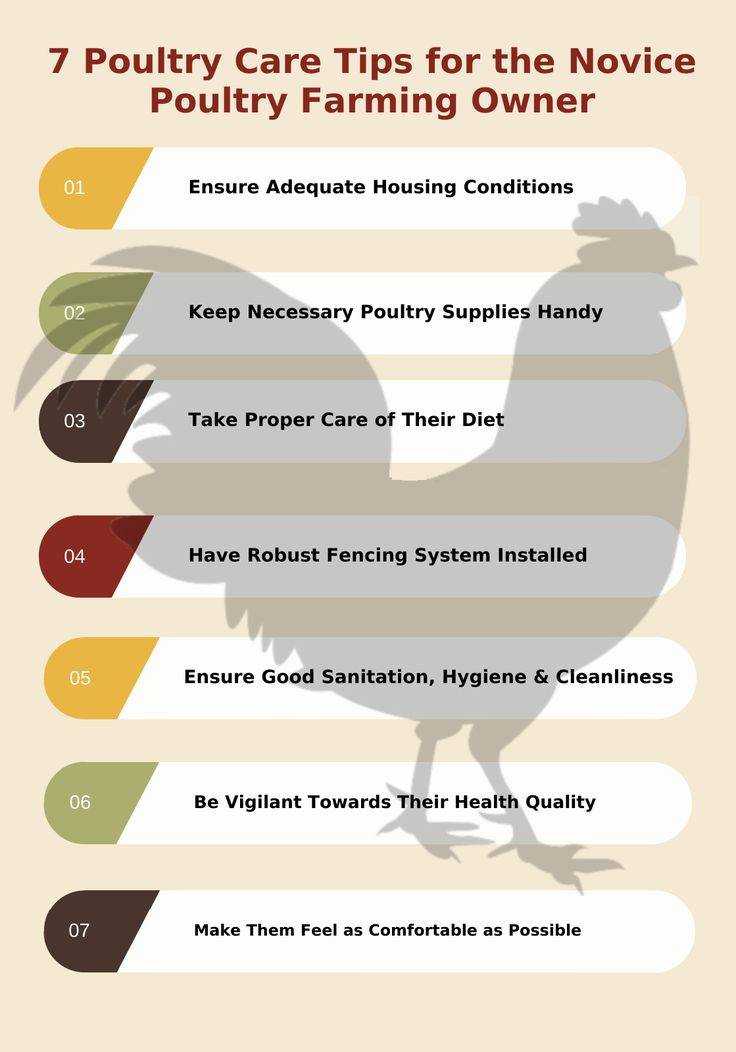
Build housing: Proper shelter is critical—use deep litter or battery cage systems. Ensure good ventilation, space (avoid overcrowding), predator protection, and easy cleaning. Start simple and cost-effective.
3. Set Up Operations
Source quality stock: Buy day-old chicks or point-of-lay birds from reputable hatcheries (e.g., established ones in your area). Poor chicks lead to high mortality.c6d570
Essential equipment: Feeders, drinkers, brooders (heat source for chicks), bedding (wood shavings), thermometers, and basic tools. Store feed properly to avoid spoilage/rodents.
Feeding and nutrition: Use quality feed matched to age/stage (starter, grower, layer). Feed is 60-70% of costs—monitor feed conversion ratio (FCR). Provide clean water always.
Health and biosecurity: Follow a vaccination schedule. Maintain strict hygiene, quarantine new birds, control pests, and monitor for diseases. Poor health management is a top failure reason.
0 likes · 0 comments · 0 shares