Post by Idirisu Oma Precious. (@Precious_)
But how often do we question the angle behind it?
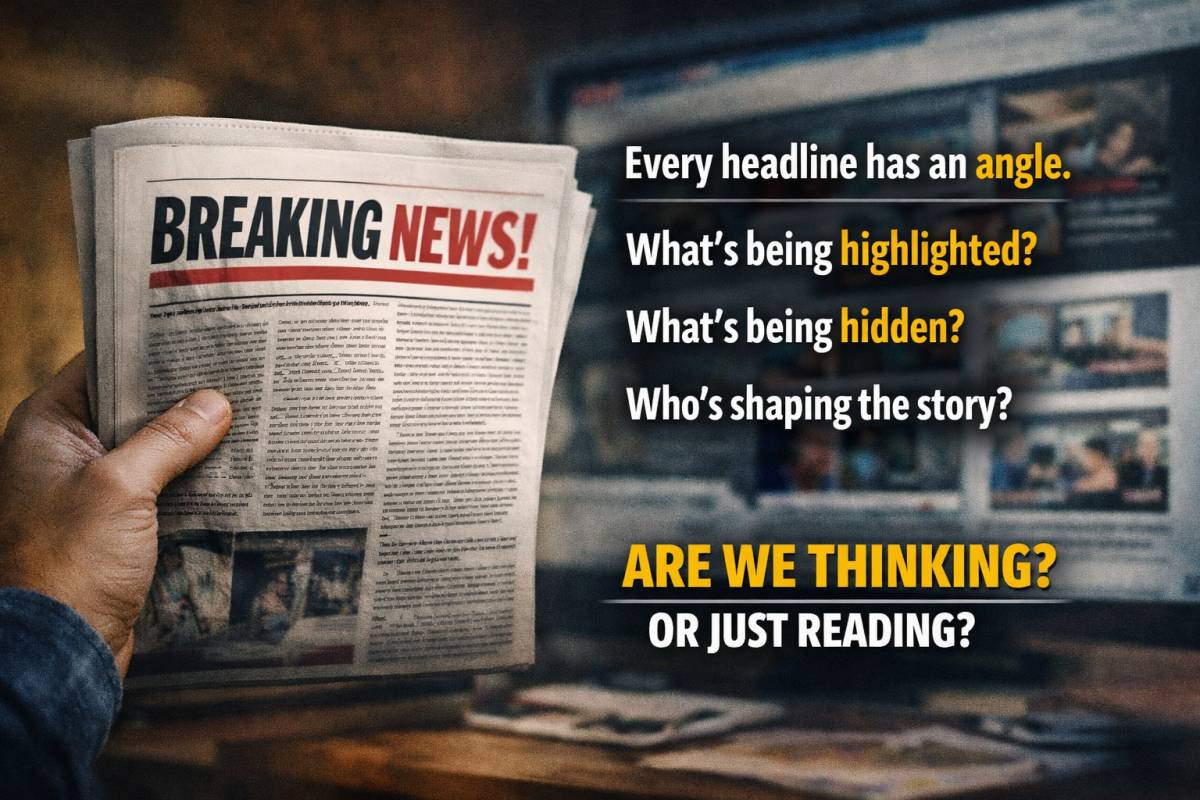
Every headline carries a perspective.
Every story highlights something — and hides something else.
The media doesn’t just inform us.
It influences us.
As someone studying Mass Communication, I’ve learned that the loudest narrative often wins — not the most accurate one.
So here’s a question:
Do we form opinions… or do headlines form them for us?
0 likes · 0 comments · 0 shares
Comments
Idirisu Oma Precious.: One thing I’ve noticed is that the same event can feel “urgent” or “insignificant” depending on how it’s framed.
The wording alone can shift public emotion.
The wording alone can shift public emotion.
Idirisu Oma Precious.: In communication studies, we learn about framing and agenda-setting.
It’s not just about what is reported — it’s about what is prioritized.
It’s not just about what is reported — it’s about what is prioritized.
Idirisu Oma Precious.: Before sharing any news, I always ask myself:
Who benefits from this narrative?
What might be missing from this story?
Who benefits from this narrative?
What might be missing from this story?
Idirisu Oma Precious.: The more I study media, the less I consume information passively.
Awareness changes the way you read everything.
Awareness changes the way you read everything.
Idirisu Oma Precious.: I’d love to know —
Do you think social media has made us more informed, or just more reactive?
Do you think social media has made us more informed, or just more reactive?