What Can ₦66 Off Petrol Actually Change?
By The Insight Desk with Ismail Auwal ·
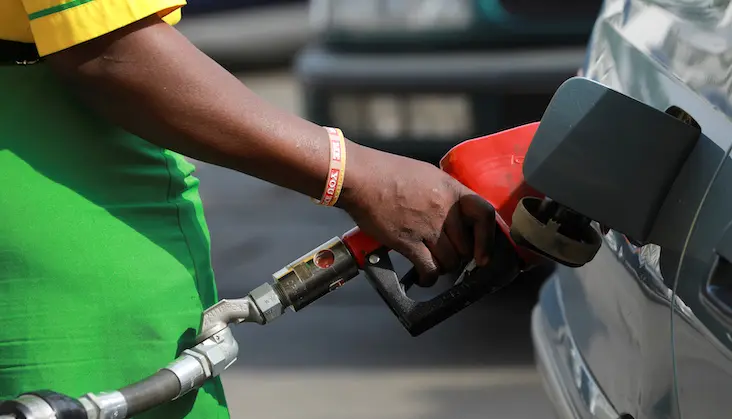
Before Sani can earn anything from his taxi, he must spend money on it. This morning, the first expense is petrol. He plans to buy 30 litres, enough to give his working day a start, and wants to know whether the discount he has heard about will leave something extra in his pocket.At ₦66 off each litre, the saving would be ₦1,980. That is the promise he carries into the filling station. By evening, however, three questions will matter more: did he receive it, how much remained after the effort of getting it, and did any passenger pay less?For this purchase, the station’s regular price is ₦1,405 per litre. Thirty litres would cost ₦42,150. With the full discount, the price becomes ₦1,339 per litre, and the bill falls to ₦40,170. These are illustrative transaction figures, not current prices guaranteed at all NNPCL outlets in Kano.Sani now has a choice. He could spend his original budget and buy more petrol, or buy the planned 30 litres and keep ₦1,980. He chooses the second option. Extra fuel would help him drive farther, but cash left in his pocket gives him room to meet another expense.First, he must qualify for the offer. The discount requires motorists to register on the NNPCL Fuel App and pay through it at a participating NNPC Retail station. Handing cash to the attendant does not automatically secure the reduction. Customers need to confirm the payment instructions and check that the transaction reflects the saving.In Sani’s morning, registration and payment take 20 minutes longer than he expected. He completes the purchase, but the delay gives the discount another meaning. The receipt shows what he saved on petrol; it cannot show whether he missed a paying passenger while waiting.That does not mean the delay necessarily cost him more than the discount. He might have spent those minutes waiting for a customer anyway. It means that the advertised saving and the benefit to his working day are not always identical.Abuja–Keffi driver Musa Ibrahim described internet and application difficulties that prevented him from accessing the offer. Bus driver Abubakar Mohammed raised another concern: operators who buy fuel with cash collected from passengers may struggle with an arrangement requiring digital payment.NNPC spokesperson Andy Odeh has said the application helps control transactions, prevent abuse and encourage use of the platform. Those aims explain the system. For Sani, its value is more immediate: he needs to complete the purchase and return to the road with a saving worth obtaining.His first passenger soon brings the other side of the argument into the taxi. After hearing the fare, she asks: “But petrol is cheaper now. Why am I still paying the same amount?” For her, the announcement should mean something at the point where she pays.Sani explains that he saved money on fuel but still has other expenses. The passenger understands that a car needs maintenance. What troubles her is the apparent difference in speed: fares can rise when petrol becomes more expensive, yet relief seems slower when a reduction is announced.Neither person needs to be unreasonable for this conversation to become difficult. Sani wants enough left after operating costs to make the day worthwhile. His passenger wants to reach her destination without surrendering so much of her own income. Both are asking how the saving should be shared.Because Sani is an independent taxi driver, he can negotiate the fare directly. That choice should not be assumed for every driver working through a ride-hailing platform. A platform’s pricing arrangements would need to be examined separately before linking an individual driver’s fuel saving to passenger charges.Suppose Sani decides to reduce four fares by ₦200 each during the day. Those passengers save ₦800 between them. Of the original ₦1,980 fuel saving, ₦1,180 remains with him, before allowing for any additional costs of obtaining the discount. This is one possible outcome, not a forecast of what drivers will do.The calculation gives both sides something concrete. Passengers have received part of the benefit, while Sani retains part. But the numbers also show why a ₦66 reduction per litre cannot simply become the same reduction on every journey: fuel consumption, passenger numbers and trip lengths differ.Another driver could retain the whole saving without changing fares. That would provide relief to the driver, but no direct fare reduction for passengers. It would be misleading to describe the first outcome as proof of the second. The two benefits need to be measured separately.By evening, Sani can compare his fuel receipt with the fares he collected. Even then, one day cannot tell the whole story. A busy day might leave him better off regardless of the discount; a quiet day or unexpected repair could swallow the savings.For that reason, the useful comparison is between similar working days. How much petrol did he buy? What did he actually pay? How many journeys did he complete, and what did passengers pay? These ordinary records tell us more than assuming every discounted purchase produces cheaper transport.There is also a date behind every calculation. NNPC says the promotion will continue until 31 October. Sani can use today’s saving, but he cannot treat it as a permanent addition to his earnings or promise passengers that the same fare reduction will last indefinitely.Imagine him returning for another 30 litres on 1 November. If the promotion has ended and the underlying price remains ₦1,405, he will again need ₦42,150. The purchase costs ₦1,980 more than his discounted one. That comparison holds only if the base price stays unchanged.Faced with that difference, he could accept lower earnings, seek more journeys or reconsider the fares he reduced. Each choice has a cost. Working longer takes time; higher fares burden passengers and may discourage some journeys. Ending the promotion does not make those pressures disappear.Finance Minister Taiwo Oyedele says NNPC Retail is funding the discount by reducing its commercial margin rather than receiving federal budget payments. That explains how temporary relief can be offered while the underlying cost of supplying petrol continues to change. It does not guarantee lasting affordability.Ahead of the 2027 election, promises of relief deserve the same practical questions. Who can obtain the benefit? How much remains after accessing it? Does it reach passengers, and what follows the deadline? Government and opposition proposals should be judged by answers that households can recognize in their expenses.Sani’s day ends with a real distinction. Cheaper petrol can leave a driver with more money. Lower fares can leave a passenger with more money. The ₦66 offer creates an opportunity for either or both, but the announcement alone cannot tell us who finishes the day better off.